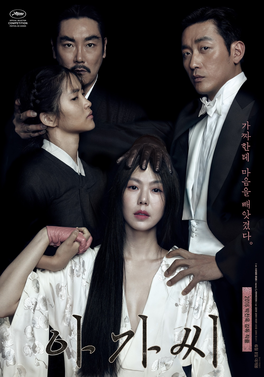
The Handmaiden, directed by Park Chan-wook, represents a significant entry in contemporary cinema, melding genres to craft a thrilling narrative steeped in historical context and emotional depth. Set in 1930s Korea during the Japanese occupation, the film draws from Sarah Waters' novel Fingersmith, creatively adapting its plot and themes into a distinctly Korean milieu. This adaptation marks a continuation of Park's evolution as a filmmaker, showcasing his ability to blend gothic elements with psychological acuity while retaining a classicist’s command of storytelling. The film's lush visual imagery and elaborate production design serve not only to transport viewers to a bygone era but also to underline the emotional complexities of its characters, transcending mere genre trappings to convey a profound exploration of love and betrayal.
At its core, The Handmaiden is a love story entangled in a con-artist plot, featuring a nuanced portrayal of desire that evolves into an erotic romance marked by intimacy and longing. The two central characters, Sook-hee and Lady Hideko, encapsulate a relationship that blurs the lines between domination and submission, deception and authenticity. Critics have noted the way Park skillfully navigates this emotional landscape, capturing both the beauty and the horror of their bond as it oscillates between tenderness and violence. The film's candid exploration of sexuality, presented with explicit sex scenes that are seamlessly integrated into the narrative, invites viewers to grapple with their own perceptions of eroticism and affection, rendering a complex portrayal of love that is both voluptuously beautiful and occasionally perverse.
Critical consensus around The Handmaiden highlights its artful elegance and narrative twists, which combine to create a gripping viewing experience. Each plot layer is meticulously unfolded, reflecting Park's growth as a storyteller who is willing to take risks within a comprehensively imagined world. Critics have regarded the film's pacing as a testament to Park's artistic patience, allowing emotional stakes to heighten effectively as the story progresses. The whiplash twists within the plot captivate audiences, reorienting them to the characters' motivations and desires in unexpected ways, a hallmark of Park’s cinematic style that plays with audience expectations and visual storytelling.
With its blend of thrilling twists and gothic undertones, The Handmaiden not only stands as a testament to Park Chan-wook's remarkable directorial return but also serves as a reflection of the transformative power of art in the face of societal constraints. The film's lush cinematography and its carefully choreographed scenes accentuate the erotic tension between the leads, making every glance and touch resonate with significance and weight. In this period piece, Park encapsulates the struggle for agency against oppressive powers, both political and personal, enriching the narrative with layers of meaning that invite multiple interpretations.
Ultimately, The Handmaiden represents a cinematic triumph, embodying a rich tapestry of themes related to love, revenge, and the intricacies of human emotion. Park Chan-wook skillfully crafts a narrative that is thrilling and meticulously plotted, while simultaneously engaging the audience with its exploration of intimacy and the darker sides of affection. This film stands as a testament to the director's artistry, showcasing both his distinctive style and thematic preoccupations, solidifying its place within the canon of modern cinema that challenges and engages the viewer.