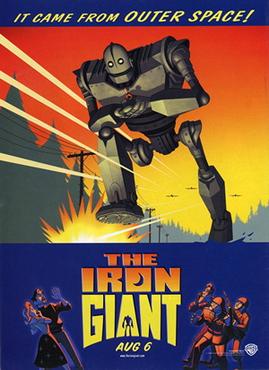
The Iron Giant, directed by Brad Bird and released in 1999, occupies a unique place in the history of animated cinema, often regarded as one of the most heartfelt and subversive films in the genre. At a time when animation was dominated by flashy CGI spectacles, The Iron Giant harkened back to traditional hand-drawn techniques, evoking a sense of nostalgia that resonated deeply with audiences. Bird's directorial debut paved the way for a new wave of animated films that prioritized storytelling and emotional depth over sheer visual gimmickry, establishing him as a master storyteller of complex themes wrapped in the guise of simple narratives.
Central to the film is the profound exploration of friendship and identity. The relationship between the young boy Hogarth Hughes and the titular giant transcends mere companionship; it becomes a catalyst for an exploration of self-determination and acceptance. Hogarth's innocent curiosity allows him to see beyond the giant's formidable exterior, signaling a deeper commentary on the importance of empathy in a world often quick to judge based on appearances. This theme of friendship is not only timeless but also serves as a critique of societal fears surrounding the unknown, showcasing how understanding and love can prevail over prejudice and fear.
Critics have consistently praised The Iron Giant for its enchanting narrative and charming characters, crediting the film with a sophistication that resonates with both children and adults. The emotional stakes are heightened by its straightforward yet powerful storytelling, which remains accessible while also inviting reflection on broader societal issues. This delicate balance provides a sense of universality and timelessness that contributes to its enduring appeal, allowing it to be appreciated across generations. Moreover, the film’s setting during the Cold War era adds a layer of historical introspection, as it mirrors the anxieties of that time with allegorical depth.
The film’s artistry lies in its simplicity, with its hand-drawn animation creating a warm, inviting atmosphere that complements its themes of vulnerability and strength. This aesthetic choice serves to emphasize the emotional gravity of the narrative, inviting audiences into a world that feels tactile and real. The giant, though a mechanical being, is portrayed with a sweet-natured innocence that resonates with the viewer's own childhood memories of feeling different or misunderstood. Bird crafts a narrative that is not only visually stunning but also rich in thematic complexity, leaving a lasting imprint on the viewer's heart.
In the years since its release, The Iron Giant has not only solidified its status as a cult classic but also gained critical recognition as one of the best animated films of all time. Its blend of nostalgia, heartfelt storytelling, and relevant themes has established it as an essential piece of cinema that encourages introspection and connection. Brad Bird's work remains a testament to the power of animation as a medium for touching on the complexities of human emotions and relationships, and The Iron Giant stands as a timeless reminder of the enduring power of friendship, identity, and the choices we make.