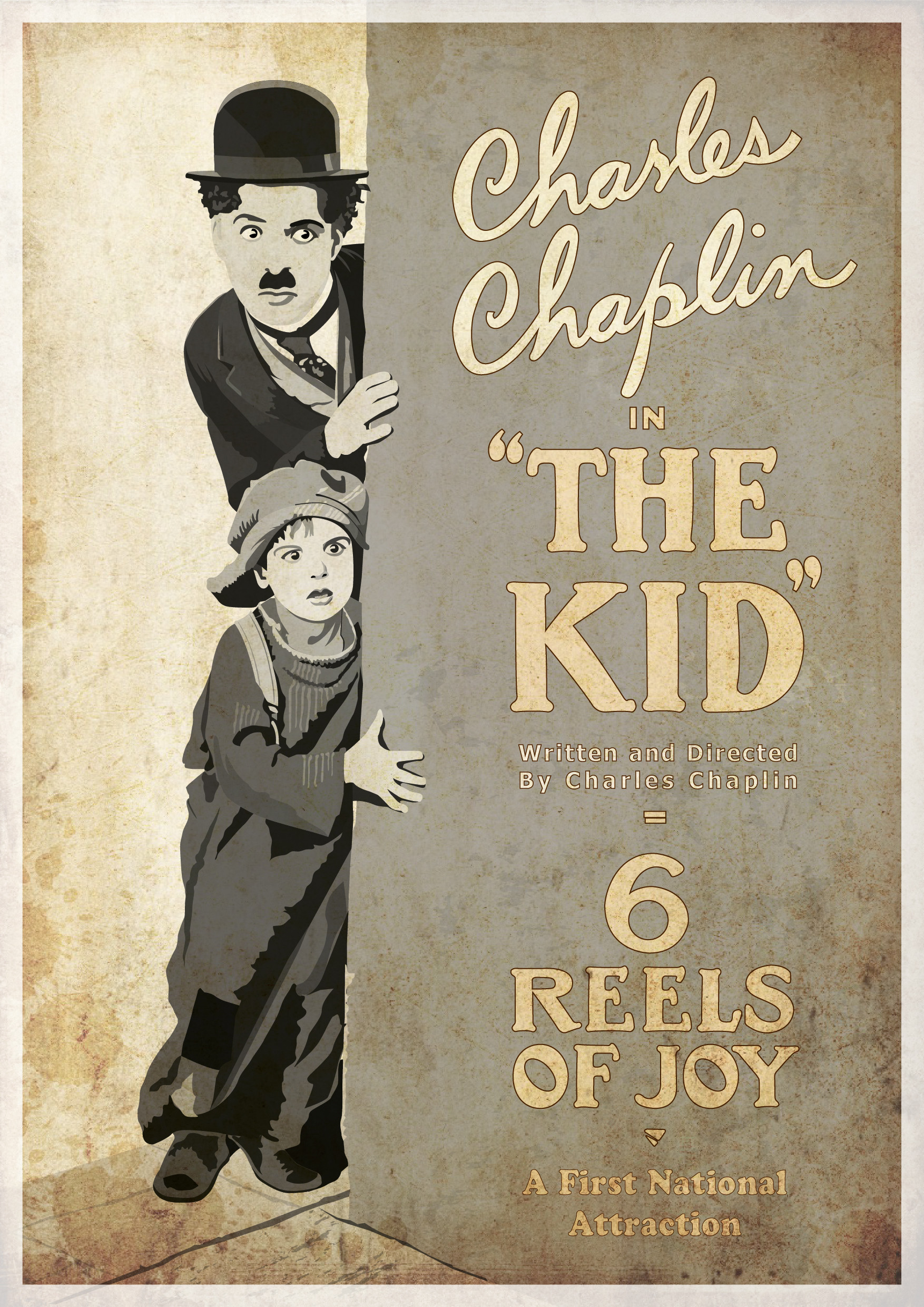
The Kid, directed by Charlie Chaplin in 1921, stands as a landmark in cinema history, marking a significant evolution in the use of comedy within the art of storytelling. Combining the laughter of silent film with the profound emotions of narrative cinema, Chaplin embraced the theme of the parent-child relationship, weaving a poignant tale that resonates through time. The film is notable for its innovative blend of humor and pathos, a hallmark of Chaplin's work, that allows audiences to engage deeply with both the joy and sorrow inherent in the human experience.
At its core, The Kid presents a heartfelt exploration of abandonment, morality, and the struggles of parenthood. The film centers on the relationship between a destitute man and a young boy he finds abandoned on the street. Audiences bear witness to the depth of their bond, which transcends social barriers and personal hardships. Critics laud the film for its ability to elicit laughter through its comedic sequences while simultaneously inviting tears through scenes of heartbreak and abandonment. This fusion of light and dark captures the essence of life itself, often revealing the beauty amid sorrow.
The critical consensus surrounding The Kid reflects its enduring significance as a classic silent film. With its timeless themes, the film encapsulates the universal challenges of upbringing and the complexities associated with love and loss. Modern audiences can find resonance in Chaplin's careful balance of comedy and emotional weight, which has cemented the film's legacy as not merely a comedy but a sentimental journey. Its structure allows for moments of levity, elevating the narrative while ensuring the viewer is never far from the poignant realities faced by the characters.
In The Kid, violence is not merely physical; the emotional turmoil faced by both the parent and child unveils a more haunting side of life. Chaplin's character embodies both vulnerability and strength, highlighting the struggles that shape our moral choices. Critics have praised how the film navigates violent moments and chaotic outbursts, channeling them into meaningful reflections on what it means to grow up under such burdens. This aspect adds a layer of complexity that elevates the film beyond simple storytelling, prompting audience introspection on the moral dilemmas faced by the characters.
Ultimately, The Kid is a timeless testament to Chaplin's genius, underscored by its heartfelt narrative and the universal themes of resilience and love. It remains a significant chapter in his oeuvre, showcasing his evolution as a filmmaker who could masterfully juxtapose comedy with profound emotional truths. Nearly a century after its initial release, The Kid continues to resonate with audiences, reminding us of the enduring power of cinema to reflect the human condition.