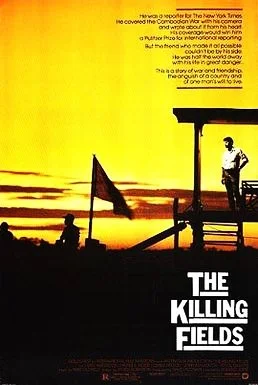
Roland Joffé’s The Killing Fields (1984) stands as a powerful testament to the horrors of war and human rights abuses, marking a significant entry in cinema history. As a director known for his commitment to socially relevant narratives, Joffé shines a light on the Cambodian genocide and the impact of the Khmer Rouge through the lens of war journalism. This film is not merely a historical portrayal; rather, it serves as a poignant reminder of the resilience of the human spirit amidst unimaginable suffering. Joffé's mastery in capturing the emotional gravity of his subjects lays the groundwork for a deeper understanding of the Cambodian tragedy, enhancing his reputation as a filmmaker willing to tackle the most challenging and pressing human issues.
Critics have universally lauded The Killing Fields for its affecting storytelling and skillful direction, emphasizing its deep exploration of friendship against the backdrop of war. The film chronicles the harrowing experiences of journalist Sydney Schanberg and his Cambodian colleague Dith Pran, illustrating their enduring bond in the face of terror and chaos. This relationship underscores the theme of survival, as both men navigate dangers that threaten not only their lives but also their sense of humanity. The film's ability to convey the raw emotions of its characters resonates profoundly, making its narrative not just a historical account but a captivating exploration of friendship forged under duress.
At its core, The Killing Fields penetrates the viewer’s psyche with a scalding portrayal of human rights abuses, presenting the brutality of war with unflinching realism. The technical prowess evident in Joffé’s direction combined with the fine performances of the cast create an astonishing atmosphere that lingers long after the credits roll. Critics have pointed out how the film’s immediacy elevates its impact, allowing audiences to bear witness to the events of the Cambodian genocide without filters or illusions. It is a moving reflection on the capacity for evil as well as the potential for resilience within the human spirit, serving as a stark reminder of history's darkest chapters.
The film's commitment to historical accuracy is commendable, drawing on factual events to construct a narrative that feels both sincere and riveting. As cinematic representations of war evolve, The Killing Fields maintains its relevance by providing a gripping, realistic portrayal of the complexities surrounding war journalism. Schanberg’s journey as a reporter serves as a microcosm for the broader struggles faced by journalists in conflict zones, pushing the boundaries of the ethical dilemmas involved in bearing witness to atrocity. Joffé’s film transcends mere documentation, offering an urgent commentary on the responsibilities of those who seek to report the truth in an age overshadowed by violence and repression.
In today’s cultural climate, The Killing Fields resonates powerfully, reminding audiences of the eternal struggle for human rights and the sacrifices made by those who dare to tell the stories often overlooked by history. The film’s legacy lies not only in its technical brilliance but also in its heartfelt exploration of friendship, resilience, and survival in the face of overwhelming adversity. It invites viewers to confront uncomfortable truths, challenging us to reflect on our collective moral obligations to remember and act in the name of justice. Joffé’s work, encapsulated in this Oscar-winning film, ultimately proves to be not just a lens on the past but a call to action in the present.