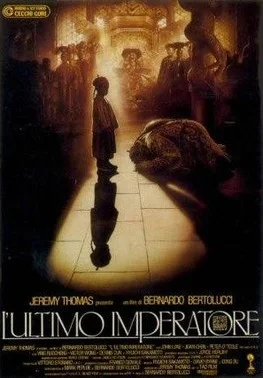
Bernardo Bertolucci's The Last Emperor, released in 1987, stands as a landmark in cinema history, not only for its sweeping visual splendor but also for its ambitious exploration of imperialism and identity. This film, which garnered nine Academy Awards, including Best Picture, represents a crucial turning point in Bertolucci's career, melding his penchant for grand narratives with a poignant, personal story. By chronicling the life of Puyi, the last emperor of China, the film encapsulates the political upheaval and historical forces that shaped 20th-century China, placing a richly detailed tapestry of personal and national history before the audience.
Critics have lauded The Last Emperor for its opulent and beautifully crafted visuals, matching its epic storytelling with meticulous historical accuracy. This artistry is complemented by a narrative that is as rich and intoxicating as it is romanticized and speculative. Puyi's life, marked by splendor, isolation, and tragedy, serves as an allegory for the broader currents of change that transformed China during his lifetime. The film presents a series of vignettes that interweave personal experiences with broader political narratives, evoking a sense of loss and confusion about identity amid systemic collapse.
Moreover, the film's ideological message resonates deeply through its dichotomy of imperial privilege and profound displacement. Puyi's transformation from a revered ruler to a symbol of a bygone era illustrates the intricate relationship between personal aspirations and sociopolitical realities. The visual richness achieved through elaborate set designs and stunning cinematography captures both the beauty and the brutality of the historical moment, creating a visceral experience that lingers in the viewer's mind long after the credits roll.
The emotional weight of The Last Emperor is further amplified by its focus on the intricacies of personal life against a backdrop of tumultuous political history. This exploration of identity, how it is shaped and reshaped by forces beyond one's control, is a complex theme that resonates with modern audiences. Ultimately, Bertolucci invites viewers to reflect on the nature of power and its oft-ignored consequences on individuals, a theme that remains pertinent in the contemporary political climate. Through his lens, the past is not just a distant memory but a living narrative, urging a reevaluation of how histories are constructed and understood.
In summary, The Last Emperor is more than just a historical drama; it is an awe-inspiring visual experience and a moving exploration of loss, identity, and the cyclical nature of history. Bertolucci's lavish filmmaking paves a path for critical discourse on themes that are both timeless and relevant, solidifying the film's place not only within the director's body of work but also in the annals of cinematic history. As audiences continue to engage with the film, it remains a testament to the power of storytelling in illuminating the complexities of the human condition amidst the grand narratives of our past.