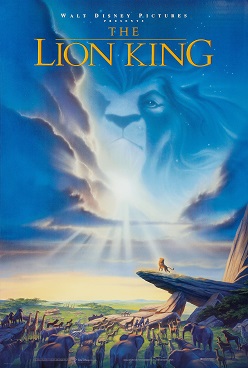
Released in 1994 and helmed by directors Roger Allers and Rob Minkoff, The Lion King stands as a vital landmark in the history of animated cinema and a beacon of the Disney Renaissance era. This film emerged at a time when animation was reasserting its artistic and cultural significance in Hollywood, following a string of successful features that included The Little Mermaid and Beauty and the Beast. With its stunning visual artistry, innovative storytelling, and memorable musical score, The Lion King drew both commercial success and critical acclaim, solidifying its place within the pantheon of animated classics.
At its core, The Lion King explores profound themes such as coming-of-age, betrayal, and redemption. The film tells the story of Simba, a young lion whose journey from carefree cub to reluctant king encapsulates the trials of growing up and facing one’s destiny. The betrayal by his uncle Scar, resulting in the death of Simba’s father, is a pivotal moment that shapes the narrative and reflects a common motif in literature and film, confronting the shadows of one’s past. This theme of betrayal is intricately woven into the fabric of family dynamics, illustrating the struggles between loyalty, ambition, and the quest for identity.
Critics have universally noted the film's emotional depth, citing its ability to evoke a wide range of feelings, from humor and adventure to profound sadness. The songs, composed by Elton John and Tim Rice, provide a powerful musical backdrop that enhances the storytelling experience, allowing audiences to connect with characters and themes on a more visceral level. The musical elements, coupled with dramatic visuals, transform the film into an epic tale that resonates across generations, inviting viewers to contemplate their own journeys through life.
While celebrating its artistry and storytelling, The Lion King has also sparked conversations around the representation of African culture and the narratives crafted within it. Its portrayal of the Circle of Life, alongside the majestic landscapes of the African savanna, suggests a nuanced engagement with themes of tradition and legacy. However, the film has also faced scrutiny for its perceived simplifications and Western interpretations of complex cultural motifs. This sociocultural dialogue further enriches the film's legacy, challenging audiences to reflect on the implications of storytelling in a global context.
In summary, The Lion King remains a powerful testament to the capabilities of animated film to convey complex themes and emotions. It combines a poignant coming-of-age tale with an adventure that grapples with darker elements of family betrayal and ultimate redemption. The film's enduring popularity and critical recognition underscore its significance not just as an animated feature but as a foundational piece of cinematic storytelling that continues to inspire and provoke thought long after its release.