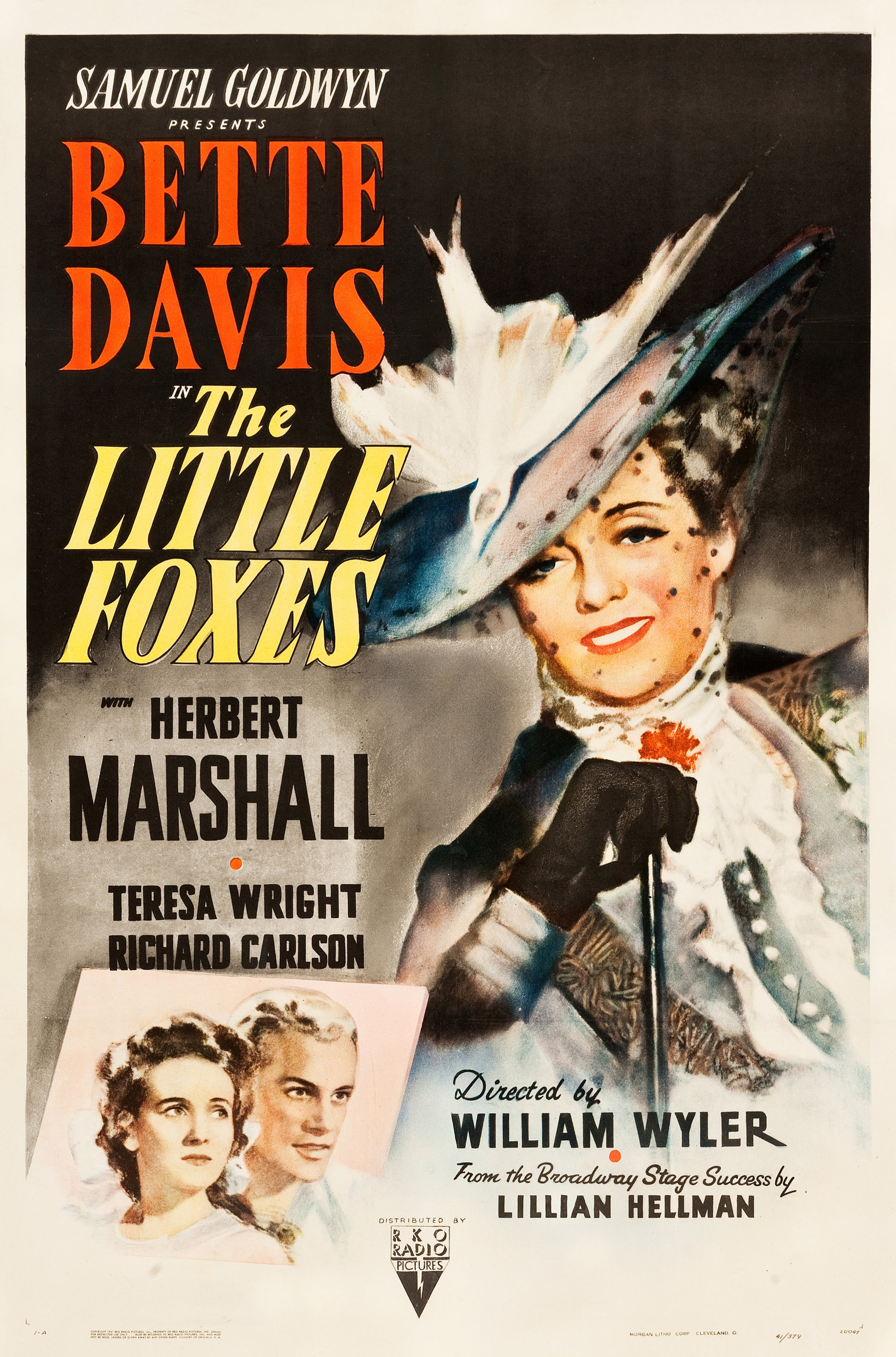
William Wyler's The Little Foxes holds a significant place in cinema history, emerging from the director's oeuvre of meticulous character studies and moral complexities. Wyler, known for his ability to elicit powerful performances from his actors, takes on Lillian Hellman's sharp and incisive play, translating its themes of avarice and familial treachery to the screen with remarkable depth. The film, set in the early 1900s in Alabama, encapsulates the insatiable hunger for wealth and the lengths individuals will go to secure their fortunes, all while maintaining a veneer of genteel propriety. In doing so, the film offers a potent critique not only of the characters’ moral failures but also of broader societal values regarding greed and ambition.
Critics have highlighted the emotional resonance and dramatic intensity of The Little Foxes. The narrative unfolds through the lens of a Southern family, the Hubbards, whose ruthless pursuit of wealth leads them down a path of betrayal and desperation. The dynamic between family members is marked by a toxic blend of love, envy, and corruption, revealing how familial bonds can easily become twisted when stained by greed. This exploration of family dynamics is a prevailing theme, and it resonates with audiences even today, as issues of loyalty and betrayal continue to permeate societal structures.
Particularly central to the discourse surrounding The Little Foxes is the character of Regina Giddens, powerfully portrayed by Bette Davis. Her portrayal is a masterclass in subtlety, as she navigates the complex interplay of ambition, vulnerability, and moral ambiguity. Critics have consistently noted her performance as evocative and commanding, capturing the essence of a woman driven by desperation and an all-consuming desire for power. Her character's trajectory offers insight into the darker aspects of human nature, making the film not merely a melodrama but a stark examination of the human condition itself.
Furthermore, the film’s relevance cannot be overstated in light of contemporary issues surrounding capitalism and corruption. The portrayal of wealth as a corrupting force feels particularly timely, as it invites viewers to reflect on the often destructive consequences of greed in their own lives. Wyler's sensitive direction poignantly underscores the isolation that wealth can bring, contrasting the facade of familial unity with the painful reality of solitude that many characters experience as their moral integrity decays.
In conclusion, The Little Foxes serves as both a critical examination of the implications of greed and a compelling study of familial relationships under strain. Wyler's unflinching approach to the material, combined with powerful performances, crafts a narrative that is not only spellbinding in its emotional weight but also relevant, urging audiences to reconcile the allure of riches with the ethical compromises that frequently accompany such desires. This film remains a key part of cinematic history, reflecting the enduring complexities of humanity against the backdrop of desperation and ambition.