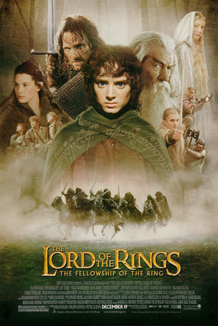
In the realm of modern cinema, few films have achieved the monumental impact of The Lord of the Rings: The Fellowship of the Ring, directed by Peter Jackson and released in 2001. This cinematic adaptation of J.R.R. Tolkien's legendary fantasy novel not only marked a new era in epic filmmaking but also solidified Jackson's stature within the industry as a masterful storyteller. Combining state-of-the-art special effects with a labor of love that brought Middle-earth to life, Jackson's vision resulted in a film that is both a stunning visual spectacle and a profound exploration of timeless themes. As it initiated a trilogy that would redefine epic adventure in the movie-going experience, the film set a standard that subsequent fantasy narratives would aspire to meet.
Critics unanimously hailed The Lord of the Rings: The Fellowship of the Ring for its stirring portrayal of heroism, friendship, and the age-old struggle of good versus evil. The film's narrative revolves around a group of diverse characters, each embodying different aspects of courage, sacrifice, and loyalty. From the humble hobbit Frodo to the wise Gandalf and the fierce Arwen, each character embarks on a perilous journey that emphasizes the strength of companionship and the moral complexities of their quest against the dark forces of Sauron. This rich tapestry of relationships illustrates how bravery often emerges from the most unexpected places, making the epic adventure both universally relatable and deeply personal.
Though some critics described it as occasionally overwrought, the emotional stakes woven throughout the film resonate profoundly. The tension between the desire for home and the inevitability of adventure lends a richness to the narrative, pulling viewers into a world where fear and heroism coexist. Striking sequences, each brilliantly realized and action-packed, forge a connection that compels audiences to invest in the fate of Middle-earth. The film’s breathtaking visuals and innovative effects paved the way for a new aesthetic in fantasy storytelling, showcasing not just the titular fellowship's journey but also the very essence of what it means to confront darkness, both externally and within oneself.
The film's soundscape, featuring a haunting yet exhilarating score, complements its visual grandeur, elevating critical emotional moments. With memorable passages and dynamic sequences punctuated by a winsome mandolin solo, the soundtrack invites audiences deeper into the narrative. The cumulative effect is one of exhilaration, an electric journey through lands filled with mystery and peril. The film's action is balanced by moments of introspection, ensuring that viewers are not just passive observers but are invited to reflect on the themes of friendship and sacrifice intertwined with their own lives.
Ultimately, The Lord of the Rings: The Fellowship of the Ring stands as a heavyweight in the annals of cinema history, not merely as a fantasy epic but as a profound commentary on the human condition. It beckons viewers to confront the divisions within and between us, urging solidarity in the face of threatening forces. In doing so, it crafts a viewing experience that remains remarkably accessible even as it explores existential themes, leading to a cultural phenomenon that has influenced generations of filmmakers and audiences alike. In this cinematic masterpiece, Jackson invites us all to partake in the enduring journey toward hope, valor, and the enduring strength of camaraderie.