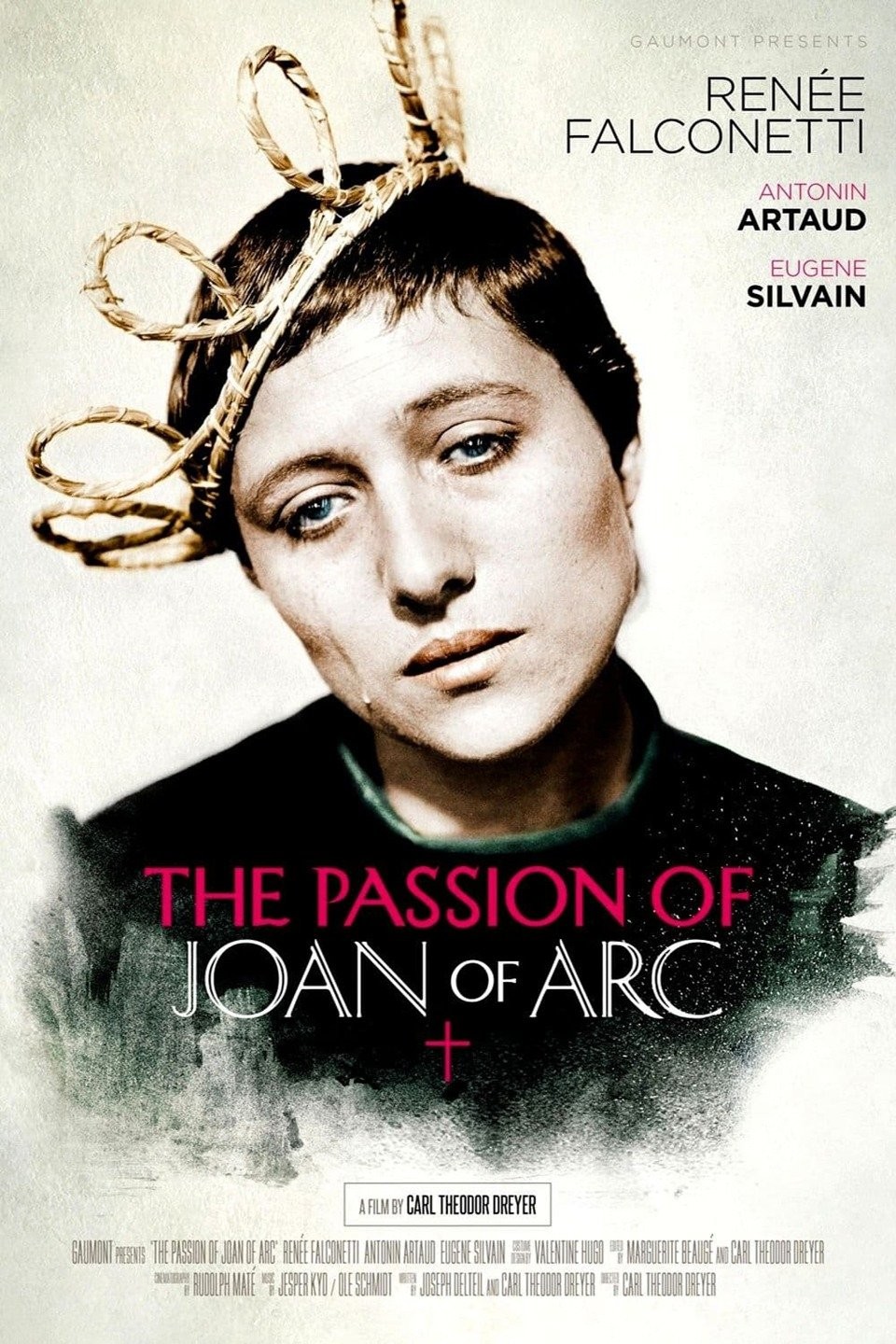
Carl Theodor Dreyer’s The Passion of Joan of Arc remains one of the cornerstones of silent cinema, encapsulated in the distinct vision of its director. Released in 1928, this cinematic masterpiece diverges from traditional narrative filmmaking through its profound exploration of the themes of faith, trial, and persecution that continue to resonate with audiences today. Dreyer’s innovative approach, particularly the extensive use of close-ups and an almost hermetic setting, challenges conventional storytelling; it immerses viewers in the psychological and spiritual turmoil of its central character, Joan of Arc. This film emerged during a transformative moment in cinema history, as filmmakers began to experiment more profoundly with visual storytelling and emotional depth, fully exploiting the capabilities of silent film.
Critics have consistently noted the film’s powerful portrayal of the individual against authority, vividly personified in Joan's relentless confrontation with the religious and political powers of her time. The Passion of Joan of Arc interrogates the nature of faith and martyrdom, revealing the intensity of Joan’s experiences as she faces incrimination and persecution for her beliefs. The film masterfully captures the psychological and emotional aspects of her trial, showcasing how her fierce devotion and spirituality clash tragically with the dogmatic assertions of the church and state. In this way, the film not only tells her story but also serves as a critique of the systems that suppress individual conviction in favor of conformity.
Dreyer's technical innovation amplifies the narrative’s emotional weight, employing seamless edits and striking lighting to enhance the film’s intense atmosphere. The performances, particularly that of Renée Maria Falconetti as Joan, have been lauded as unparalleled in their depth; Falconetti’s face, frequently magnified by the camera, transforms into a canvas of human suffering and divine resolve. Such visual storytelling engages the viewer on an intimate level, evoking empathy and contemplation about the sacrifices made in the name of faith. Falconetti’s transfigured portrayal of Joan roots the film in palpable spiritual anguish, making viewers not only witnesses to her trial but participants in her plight.
While The Passion of Joan of Arc conveys a historical narrative, its themes resonate far beyond its time. The film serves as an exploration of universal struggles, issues of personal conviction against the forces of oppression, the nature of belief in a world rife with injustice, and the sacrifices individuals make for their ideals. This examination of faith and martyrdom is intensified by the film's stark and dynamic visuals, leaving a lasting impact on both the cinematic landscape and its audience. In this way, Dreyer’s work transcends the confines of its historical context and maintains relevance across generations, continuing to inspire and challenge viewers to confront their own beliefs and societal structures.
In consonance with critical reflections over the years, The Passion of Joan of Arc stands as a significant cinematic achievement and a profound meditation on the dichotomies of faith and authority, individuality and oppression. The film's enduring legacy is a testament to Dreyer’s innovative vision, which harmoniously blends aesthetic prowess with deep thematic exploration. It is, indeed, the embodiment of what cinema can achieve when it ventures beyond surface storytelling into the realms of moral and spiritual inquiry.