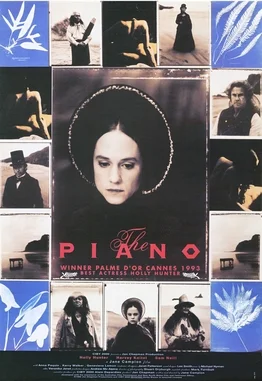
The Piano, directed by Jane Campion, stands as a landmark in cinema from the early 1990s, marking a significant moment in both the director's career and women's representation in film. As a groundbreaking feminist narrative, The Piano delves into the complexities of identity and female empowerment against the backdrop of 19th century colonial New Zealand. Campion’s intense and intimate storytelling provides a haunting exploration of repressed desire in a world defined by entrenched social structures and cultural intersections. This film notably diverged from the mainstream narratives of its time, challenging audiences to re-examine notions of intimacy and power inherent in female experiences.
The critical consensus surrounding The Piano emphasizes its superb craftsmanship and striking visual storytelling, revealing the intricacies of human emotion and connection. The film is lauded for its ability to convey a deep sense of sensuality while portraying the constraints placed on women by society. Through the character of Ada, played with haunting intensity by Holly Hunter, the film encapsulates the struggle between repression and desire, underscoring how colonialism impacts not just land and culture, but also personal identity and relationship dynamics.
Central to the narrative is Ada’s relationship with her piano, which serves as both a means of expression and a poignant symbol of her muted existence. The piano becomes a conduit through which Ada's innermost desires manifest, allowing her to assert her autonomy in an environment that seeks to silence her. Campion's visuals are strikingly intimate, drawing viewers into Ada's world of beauty and pain, which is reflected in each key played, each note expressed. These elements resonate powerfully, reminding audiences of the profound connections that music creates, bridging the emotional and the physical in ways words often fail.
In the larger context of Campion’s filmography, The Piano serves as a critical piece that showcases her artistic vision and thematic preoccupations. Notably, the exploration of repressed emotions and the consequences of colonialism in the lives of individuals has become a recurring theme in her work. This film not only solidified her status as a formidable voice in cinema but also initiated critical conversations surrounding female desires and agency amidst patriarchal confines. Indeed, the narrative structure and character development offer a tonic to conventional storytelling, drawing forth an emotional depth rarely seen in works of similar scope.
Ultimately, The Piano challenges viewers to confront uncomfortable truths about identity and power. It becomes a haunting yet brilliant commentary on the intersections of repression and empowerment, illustrating how personal battles often mirror larger cultural conflicts. The film’s lasting legacy lies in its ability to evoke raw emotions, steering the audience through Ada's extraordinary journey of self-discovery. In this way, The Piano remains a vital work, resonating with contemporary audiences and inspiring future generations of filmmakers to explore the rich, complex tapestry of human experience.