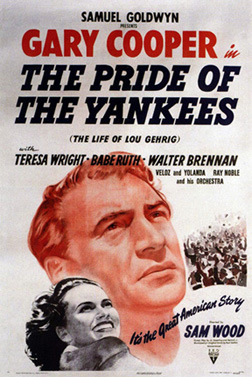
The Pride of the Yankees, directed by Sam Wood and released in 1942, stands as a classic biographical drama that pays tribute to one of baseball's greatest legends, Lou Gehrig. Set against the backdrop of America's beloved pastime, the film encapsulates not only the charm of baseball but also the enduring spirit of human resilience. Wood, a skilled director known for his capacity to meld emotional narratives with social commentary, crafts a poignant narrative that looks beyond the sport itself, delving deep into the legacy of Gehrig, both as an athlete and as a person.
Critics have universally lauded the film for its heartfelt exploration of inspiration and sportsmanship, themes that resonate profoundly in American culture, especially during the 1940s. The film's portrayal of Gehrig, played by the compelling Gary Cooper, incorporates the essence of dedication and the bittersweet reality of his illness. This dual narrative not only elevates Gehrig's story but also serves as a reflection on the human experience, deftly balancing the joy of success with the pain of tragedy. Through Gehrig's character, The Pride of the Yankees evokes a deep emotional response, celebrating the triumphs of the human spirit while providing a historical context that informs viewers about the era’s challenges.
The film's narrative arc mirrors the trajectory of American sports history, marking significant moments that transcend baseball, ultimately symbolizing hope and perseverance. Many reviews highlight how the movie captures the nostalgic elements of the sport, embedding Gehrig's legacy within the fabric of American identity. The film not only serves as an informative tribute to Gehrig but also creates a collective memory that celebrates athletic achievement and the virtues of teamwork and camaraderie. This blend of historical resonance and personal narrative provides a timeless quality to the film, making it a staple in the canon of classic cinema.
The Pride of the Yankees is particularly notable for the way it bridges the gap between an individual's personal struggles and national pride. Released during World War II, the film's patriotic undertones resonate deeply with audiences, reminding them of the strength found in community and sportsmanship. The emotional weight of Gehrig's life story, with its message of fortitude and resilience, serves as a source of inspiration, particularly in the face of adversity. In this way, Wood's film can be seen not just as a story about baseball but as a profound commentary on life itself.
Ultimately, the critical consensus reflects a deep appreciation for The Pride of the Yankees as a labor of love that not only immortalizes Lou Gehrig but also advances a larger narrative about legacy, dedication, and the enduring power of sports in shaping personal and national identity. It stands not only as a cinematic tribute but as a culturally significant artifact that continues to inspire new generations, cementing its place as a classic in both film history and the broader landscape of American sports.