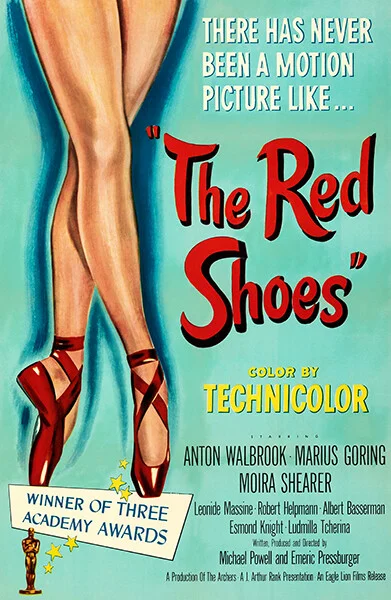
The Red Shoes, released in 1948 and directed by the iconic duo Michael Powell and Emeric Pressburger, stands as a significant milestone in the history of cinema, particularly in the realm of British filmmaking. The film explores the world of ballet through a visually stunning lens, merging artistic dedication with a haunting narrative. Renowned for its vibrant color palette and innovative techniques, The Red Shoes not only solidified Powell and Pressburger's cinematic legacy but also played a pivotal role in influencing the visual storytelling of subsequent generations. By intertwining the narratives of ambition and obsession, the filmmakers crafted a richly layered experience that engages both the intellect and the emotions of the viewer.
The film tells the story of Vicky Page, portrayed by Moira Shearer, a young ballerina caught in a love triangle between her passion for dance, her obsessive drive for success, and a complex romantic relationship with composer Julian Craster and the controlling director Boris Lermontov. This emotionally charged dynamic underscores the film's examination of sacrifice for art, illustrating the psychological turmoil that accompanies artistic ambition. Critics have praised The Red Shoes for its narratively complex structure, which intricately weaves themes of love, obsession, and the price of artistic excellence into a compelling narrative tapestry.
Critically, The Red Shoes resonates deeply with professional reviews which highlight its immersive quality and tragic undertones. The film's surreal moments, particularly during the dreamlike ballet sequence, encapsulate the heights of Vicky's artistic aspirations while simultaneously exposing the perilous depths of her dedication. The dazzling choreography and visual artistry create a mesmerizing backdrop for exploring how personal ambition can lead to irrevocable sacrifices, leaving the audience to ponder the true cost of creative success.
The overall consensus among film scholars and critics positions The Red Shoes not only as a cinematic triumph but also as a profound commentary on the gender roles within the artistic community. Vicky's character exemplifies the struggle many female artists face, torn between societal expectations and personal desires. Her journey symbolizes the broader theme of female agency and the sacrifices often expected from women in pursuit of their passions, making the film remarkably relevant in discussions of gender disparity in the arts.
In conclusion, The Red Shoes remains a visually captivating and emotionally intense film that invites viewers to reflect on the intricate balance between love, ambition, and the tyrannical nature of obsession. Through its tragic narrative and breathtaking visuals, Powell and Pressburger challenge audiences to consider the sacrifices made in the name of art and the toll they can take on one's life and relationships. As we delve into the heart of this masterpiece, it becomes clear that the beauty of creativity is often intertwined with profound personal sacrifice, leaving an indelible mark on the landscape of cinema.