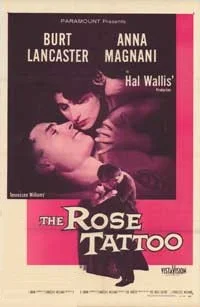
When Daniel Mann directed The Rose Tattoo in 1955, he contributed to a transforming cinematic landscape that juxtaposed the grittiness of American realism with the poignant lyrical quality typically associated with Italian cinema. As an adaptation of Tennessee Williams' play, the film emerged during a period when the tensions surrounding gender roles and the constraints of patriarchal structures were being challenged. Mann's ability to translate the vivid emotional spectrum of Williams' writing into a visually compelling narrative created a film that, while at times static and monochrome, captured the vibrancy of human passion and conflict.
At the heart of The Rose Tattoo resides a complex exploration of self-invention through violence and heartbreak. The protagonist, Serafina, navigates her identity in a world steeped in the expectations of patriarchal Christianity, which determines not only her individual journey but also the dynamics of her relationships. Critics noted the engaging yet grim portrayal of these themes, highlighting how Mann's innovative filmmaking techniques served to underscore the invisible power dynamics at play within the narrative. Despite its flaws, such as perceived miscasting in certain roles, the film managed to captivate its audience through its gritty realism and emotional depth.
The casting choices in The Rose Tattoo also invite scrutiny, particularly as they impact character authenticity and audience connection. Anna Magnani's performance, although celebrated, has been viewed by some as a remarkable achievement overshadow only by misgivings about her American co-stars. This reflects a broader challenge in the film industry, where casting decisions can make or break the credence of narratives steeped in cultural and emotional complexities. The film marked a significant debut for both Mann, who would go on to direct numerous acclaimed works, and Magnani, who brought an unmistakable Italian spirit to an American cinematic context.
Mann's direction is characterized by a deliberate pacing, often described as sedentary, which allowed for moments of profound introspection and character development. However, these choices also led some to perceive the film as static, lacking the dynamism often associated with the era's memorable dramas. Despite this, The Rose Tattoo remained a compelling reflection on the struggle for agency amidst suffocating societal norms, dynamically balancing the internal tumult of its characters with moments of exquisite artistry and visual storytelling.
Ultimately, The Rose Tattoo stands not only as a marker in Mann's career but as a representation of a transitional period in American cinema that began to grapple with more nuanced portrayals of women and intricate emotional landscapes. Its legacy, while somewhat overshadowed by contemporary releases, continues to resonate, serving as a poignant reminder of the power of artistic expression in challenging entrenched societal norms and the capacity for profound emotional self-discovery.