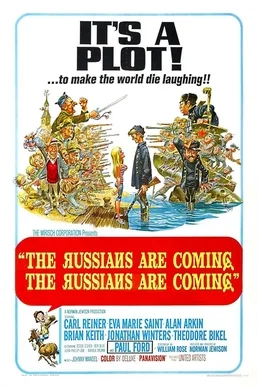
In the landscape of 1960s cinema, The Russians Are Coming the Russians Are Coming stands out as a unique blend of comedy and cultural commentary, reflecting the intense paranoia and fears permeating American society during the Cold War. Directed by Norman Jewison, who was known for his ability to tackle pressing social issues with a comedic lens, the film adeptly navigates the absurdities of its time. It lies at a pivotal intersection between mainstream entertainment and incisive societal critique, offering audiences both laughter and an opportunity for reflection on the era’s geopolitical tensions.
The film's premise, centering on a Russian submarine that runs aground in a small New England town, serves as a catalyst for a series of misunderstandings that highlight the absurdity of Cold War attitudes. Critical consensus acknowledges the film's charm and humor, resulting in a comedy of errors that portrays how fear can distort human relationships. As the townsfolk react with panic to the supposed invasion, viewers are treated to an insightful exploration of cultural assimilation, exposing the irrationality of xenophobia and the comedic potential of mutual misunderstanding. Through its engaging narrative, the film resonates with contemporary reflections on international relations and the necessity of dialogue over conflict.
While some may find The Russians Are Coming the Russians Are Coming dated due to its reliance on physical comedy and stereotypes, the underlying themes remain relevant today. The interactions between characters from differing backgrounds serve as a reminder of the importance of education and empathy in overcoming entrenched hostilities. Despite its vintage feel, the film's portrayal of Russian characters, especially the aristocratic mannerisms of the submarine crew, adds a layer of complexity, teasing out the nuances of identity and cultural perception in a world rife with conflict.
Jewison’s film not only provides a compelling source of entertainment but also stands as a commentary on the era’s cultural landscape. It invites viewers to consider the consequences of their perceptions and the possibility of human connection beyond ideological divides. As comedy often reflects societal truths, this film offers a thought-provoking lens through which modern audiences can analyze the lasting legacy of Cold War sentiments in contemporary discourse. In many ways, The Russians Are Coming the Russians Are Coming transcends its comedic framework, serving as a significant cultural artifact that prompts ongoing conversations about fear, misunderstanding, and ultimately, shared humanity.