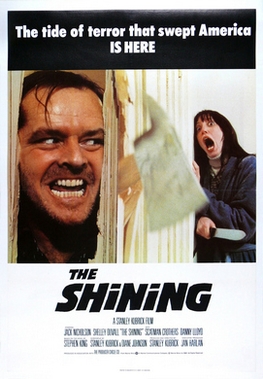
Stanley Kubrick’s The Shining has earned its place in the pantheon of horror cinema, standing as a chilling testament to the director’s meticulous craftsmanship and innovative storytelling. Released in 1980, the film diverges from traditional horror motifs by delving deep into the complexities of isolation and madness. Unlike standard horror fare, Kubrick masterfully uses the eerie atmosphere of the Overlook Hotel to reflect the psychological disintegration of its protagonist, Jack Torrance, played with a menacing intensity by Jack Nicholson. This radical departure from what had come before has cemented the film as a seminal work, influencing countless filmmakers and reshaping the horror genre's narrative possibilities.
Critics have long noted the thematic density of The Shining, where family dynamics and domestic abuse intertwine with psychological horror to create a deeply unsettling viewing experience. The film explores the disintegration of the Torrance family, poignantly captured through Wendy and Danny’s perspectives as they endure Jack’s unraveling sanity. The haunting visuals paired with a suspenseful score evoke a malevolent force lurking within the hotel, amplifying the tension and eeriness that permeates the narrative. Kubrick’s intent was deliberate; every frame is meticulously crafted to evoke dread and foster a growing sense of paranoia, elevating it to a genre-defining piece.
The overwhelming sense of isolation within The Shining functions on multiple levels. The physical seclusion of the hotel serves as a catalyst for Jack’s descent into madness, while it concurrently isolates Wendy and Danny, highlighting themes of family breakdown amid an oppressive environment. Critics have described the film as both magnificent and chilling, portraying the family’s gradual disintegration as Jack succumbs to the overbearing manipulations of the hotel. Audiences are left to grapple with the horrifying realization that the confines of familial love can become a prison, as the very bonds that should protect them become sources of terror.
Kubrick's film invites viewers into a complex psychological labyrinth, meticulously layering suspenseful moments with thematic substance that resonates far beyond its 146-minute runtime. Though it has been overquoted and sometimes despised by those who fail to appreciate its nuanced horror, The Shining undeniably represents a radical innovation in cinematic storytelling. The film has remained effective in its delivery of fear, not through jump scares, but rather by fostering a continuous sense of dread and an awareness of the sinister potential within the human psyche. As a reflection on madness, family, and isolation, it remains a powerful cultural artifact, pushing boundaries that have influenced generations of filmmakers and horror enthusiasts alike.
In the end, the chilling legacy of The Shining is a testament to Kubrick’s genius as a director who was not afraid to penetrate the darkest corners of human experience. The film’s intricate blend of psychological horror, isolating atmosphere, and familial disintegration creates an enduring specter that continues to haunt viewers. By creating a world that teeters on the brink of madness, Kubrick invites us to confront our own vulnerabilities, reminding us that sometimes, the real horror lies within.