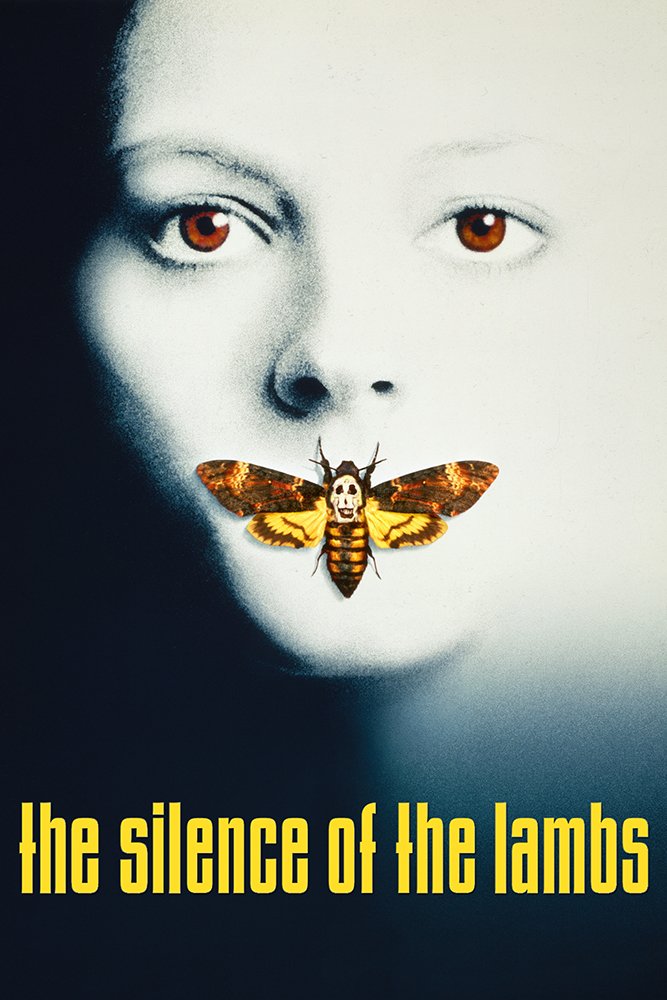
In the annals of cinema history, The Silence of the Lambs stands as a quintessential work that deftly intertwines elements of psychological horror with a meticulous FBI investigation. Directed by Jonathan Demme, the film emerged in 1991 during a period that saw a surge in interest in serial killer narratives. More than just a horror film, it explores the darker aspects of human psychology, making it a landmark entry in both the thriller genre and in Demme's body of work, which often delves into intimate human experiences and moral complexities.
Critics have consistently highlighted the film's intelligence and emotional depth, merging a chilling narrative with a strong character study. The tension throughout the film is taut, building toward a climax that is at once gruesome and breath-quickening. At its center is the terrifying and compelling relationship between FBI trainee Clarice Starling, portrayed masterfully by Jodie Foster, and the brilliant yet horrifying Dr. Hannibal Lecter, brought to life by Anthony Hopkins. Their interactions unfurl in a stunning display of psychological manipulation and moral questioning, leaving audiences captivated and unnerved.
The film's themes reflect a persistent fascination with the nature of evil and the psychological strains endured by those who confront it. The Silence of the Lambs does not shy away from the grotesque, showcasing cannibalism and the macabre deeds of a serial killer, while equally delivering a powerful exploration of fear, vulnerability, and the quest for understanding within a terrifying world. This dual narrative keeps viewers firmly on the edge of their seats while simultaneously allowing them to engage with the grim realities that lie behind the horrific acts depicted.
Notably, The Silence of the Lambs received widespread acclaim for its elegant crafting and strong performances, earning itself a prestigious place in film history as one of the few horror films to win the Academy Award for Best Picture. It articulated the complexities of human nature, reflecting both the darkness within and the strength required to confront it. The film's ability to generate a hypnotic blend of fear and fascination has cemented its legacy, influencing countless filmmakers and becoming a touchstone for discussions on horror and psychological thrillers, as well as the societal implications of violence and criminality.
In retrospect, The Silence of the Lambs remains a powerful comment on the interplay between humanity and monstrosity. More than a horror film, it captures a moment in time where cinema sought to examine the profound uncertainties of society through a psychological lens, resonating with audiences and critics alike. The film's impact continues to ripple through popular culture, inviting new generations to grapple with the disturbing realities of the human psyche.