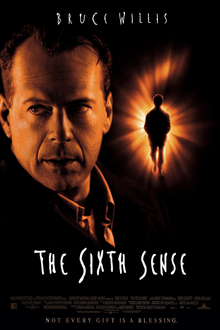
M. Night Shyamalan's The Sixth Sense has etched its place in the annals of cinematic history as a groundbreaking psychological thriller that redefined the horror genre at the close of the 1990s. Released in 1999, the film quickly gained acclaim for its artistry and emotional depth, elevating Shyamalan into the spotlight as a director with an extraordinary ability to weave complex narratives that blend supernatural elements with profound human experiences. It marked a pivotal moment for Shyamalan, who emerged as a distinctive voice in Hollywood, one whose films often explore themes that venture into the shadowy recesses of the human psyche.
The central narrative of The Sixth Sense revolves around the haunting plight of a young boy named Cole Sear, played mesmerizingly by Haley Joel Osment, who suffers from an extraordinary affliction, he can see and communicate with the dead. This chilling premise acts as a powerful vehicle for exploring deeper themes such as healing and redemption. Critics have lauded the film for its poignant portrayal of grief and trauma, capturing the ways in which both the living and the dead seek resolution and understanding of their pasts. The interplay between Cole and his psychologist, Dr. Malcolm Crowe, portrayed by Bruce Willis, underscores the film’s exploration of human connection and the quest for emotional healing.
A critical consensus has emerged around the film's ability to maintain a haunting atmosphere while providing an intriguing narrative filled with twists that culminate in one of cinema's most memorable final revelations. Shyamalan's direction is marked by a bold aesthetic and a meticulous attention to detail that keeps viewers engaged and on edge throughout the film's runtime. The interplay of light and shadow, underscored by the evocative score, creates an unsettling yet captivating environment that heightens the psychological tension and ultimately reinforces the film's thematic resonance.
Moreover, the film's exploration of ghosts transcends mere fright; they become symbols of unfinished business and the need for redemption. Through Cole's interactions with these spirits, audiences witness the deeply human emotions tied to unresolved issues and the yearning for closure. This emotional arc presents a haunting portrayal of how trauma can echo throughout lives, influencing actions and relationships. Shyamalan's ability to convey this through a supernatural lens allows The Sixth Sense to resonate on multiple levels, providing both thrill and a deeper understanding of the human condition.
In a landscape crowded with horror films that often prioritize jump scares over substance, The Sixth Sense stands out for its emotional authenticity and rich narrative depth. Not merely a supernatural thriller, it serves as a reminder of the importance of empathy, connection, and the universal need for healing. As such, it continues to inspire both filmmakers and audiences, embedding itself as a cultural touchstone within both the horror genre and Shyamalan’s oeuvre.