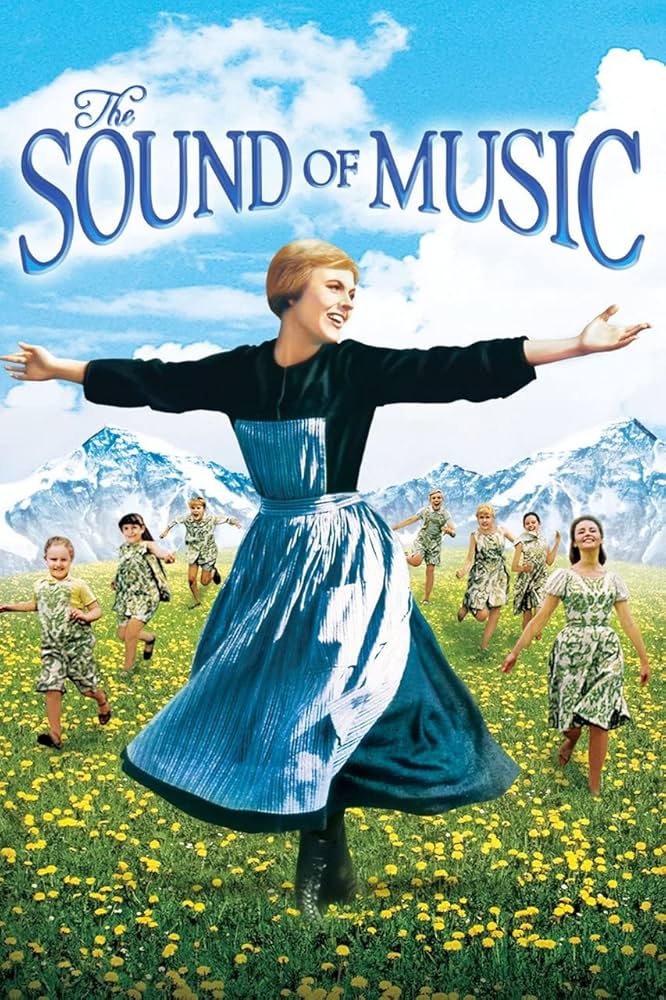
Since its release in 1965, The Sound of Music has secured its place in cinematic history as a joyful and nostalgic exploration of resilience and love in the face of political upheaval. Directed by Robert Wise, a versatile filmmaker known for both musicals and dramas, this film showcases his deft ability to blend storytelling with the transcendence of music. Based on the true story of the von Trapp family, The Sound of Music transports viewers to the picturesque landscapes of Austria and offers a heartfelt journey through personal struggles and societal challenges. Its charming narrative and rich musical heritage resonate with audiences, ensuring its legacy as one of the greatest musicals in film history.
Critics widely agree that The Sound of Music embodies timeless themes that reflect universal experiences, from the innocence of childhood to the complexities of adult responsibilities. The film's nostalgia is potent, evoking memories of simpler times while skillfully addressing the encroaching darkness of World War II. While it can be accused of sentimentality and occasional indulgence, the film's sweet moments serve as a counterbalance to its more serious undertones. This blend of light and dark is precisely what gives the film its enduring appeal, as it captures the struggle between joy and hardship faced by its characters.
At the heart of The Sound of Music is its musical excellence, with memorable songs that have become cultural touchstones. Composed by Richard Rodgers and Oscar Hammerstein II, the score has not only enriched the film but has woven itself into the fabric of holiday traditions and family gatherings. The emotional weight of songs like "My Favorite Things" and "Do-Re-Mi" shines through in their ability to invoke feelings of warmth and comfort, further enhancing the film’s irresistible charm. Critics often cite the film's ability to connect generations through music as a hallmark of its cultural impact.
In examining the political undertones, it is clear that The Sound of Music does not shy away from the realities of oppression and authoritarianism. The von Trapp family's flight from the Nazis serves as a crucial reminder of the importance of standing up for one's beliefs. This theme, while subtly woven into the narrative, speaks volumes about the resilience of the human spirit. The film invites viewers to reflect on their own values and the importance of love and family amidst chaos, a message as relevant today as it was in the 1960s.
Ultimately, the critical consensus around The Sound of Music is one of admiration for its ability to balance entertainment with meaningful commentary. The film, though not without flaws, remains a beloved classic that continues to spark joy and reflection long after its initial screening. As audiences revisit and introduce the film to new generations, its status as an iconic and timeless piece of cinema is firmly established in the annals of film history.