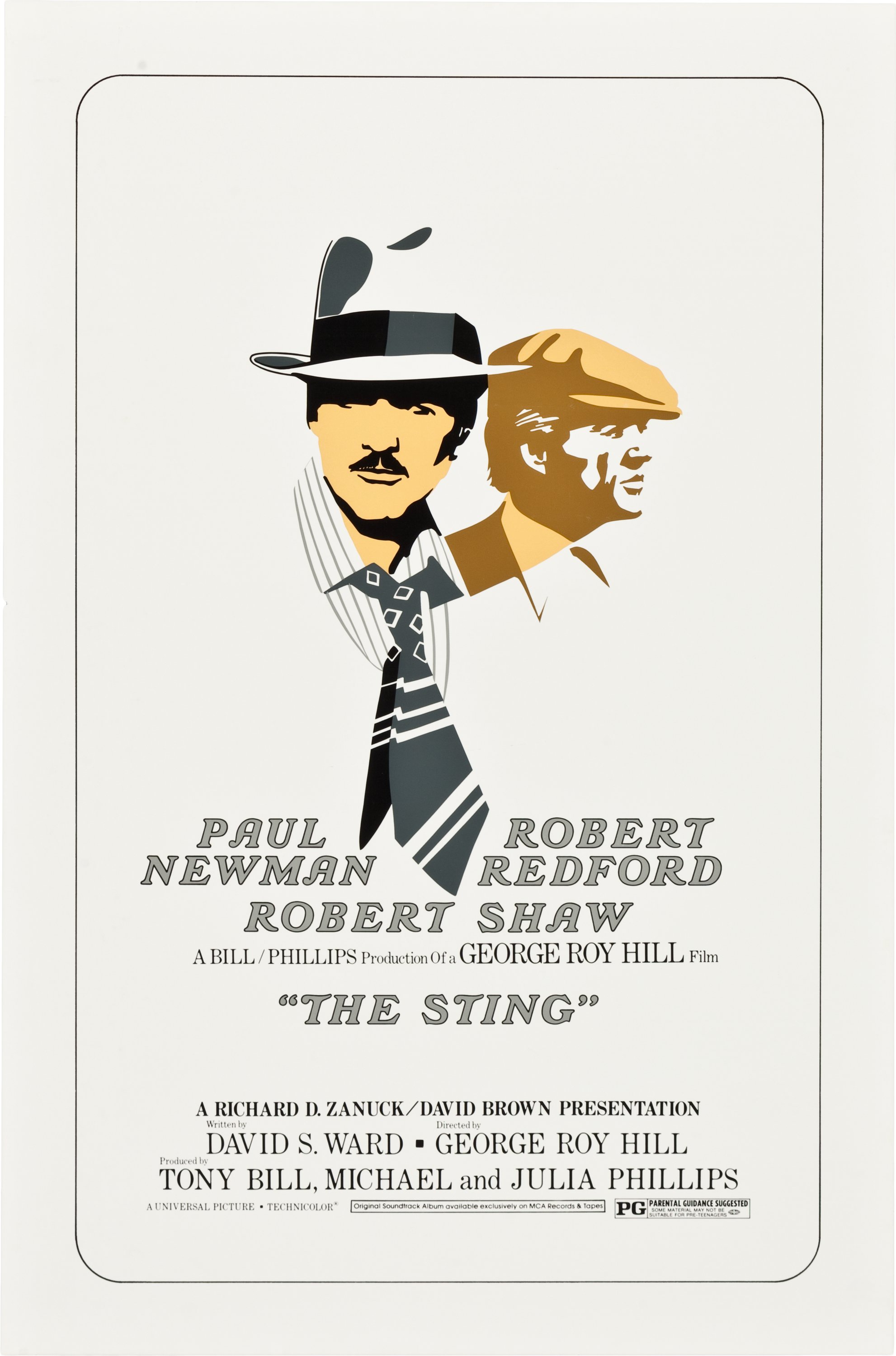
George Roy Hill's The Sting, released in 1973, stands as a notable entry in the landscape of American cinema, hailed for its stylish presentation and the chemistry between its charismatic leads, Paul Newman and Robert Redford. This film embodies a unique nexus of humor, crime, and con artistry, transporting audiences to the vibrant yet gritty world of 1930s Chicago. Set against the backdrop of the Great Depression, The Sting is not only a nostalgic homage to an era gone by but also a testament to Hill's ability to weave complex narratives filled with moral ambiguity, positioning it as a significant work in his oeuvre alongside classics such as Butch Cassidy and the Sundance Kid.
Critical consensus highlights the film's layered and episodic structure, which, while economically paced, leaves some feeling that the plot's complexities veer into convoluted territory. There is a certain charm in how the narrative unfolds, presenting twists and turns that echo the very spirit of the cons it portrays. However, some reviewers express disappointment at moments where the plot feels underdeveloped or clunky, suggesting that the ambitious intertwining of multiple storylines can ultimately detract from the emotional weight of the characters involved.
Humor plays a critical role in The Sting, replete with moments that cleverly juxtapose the moral dilemmas of its characters against the frivolity of their crimes. However, the film’s lighthearted tone sometimes masks the seriousness of its themes, such as friendship and revenge, leading to a morally ambiguous portrayal of its protagonists. As viewers navigate through the cleverly executed swindles, they are also left to ponder the ethical dimensions of the actions depicted, creating a rich tapestry of entertainment that is both engaging and contemplative.
While the film received accolades for its production quality and stylistic flair, there are arguments that it leans toward the unimaginative, drawing heavily from cinematic tropes established by earlier con films. The adaptation from stage to screen may have also hindered the film's creative potential, with some critics noting a lack of originality in its execution. Yet, it is this stylistic choice, infused with a sense of nostalgia and homage to the criminal underworld of the era, that remains one of the film’s enduring qualities, captivating audiences both in its initial release and in contemporary viewings.
In conclusion, The Sting occupies a peculiar place in film history, a jazzy romp through crime riddled with warmth and wit, yet not without its narrative flaws. While many celebrate its richly drawn characters and the electric camaraderie between Newman and Redford, others maintain that the film falters under the weight of its own ambitions, revealing a more complex interplay of commentary on crime and morality that leaves some viewers longing for a more profound exploration. Overall, it remains a captivating cinematic experience, albeit one with evident imperfections that signal the challenges of blending humor and complexity in storytelling.