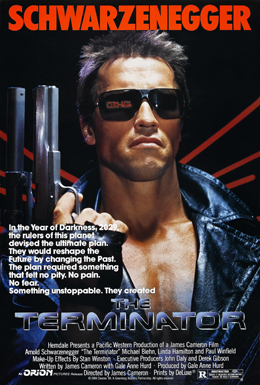
In 1984, director James Cameron unleashed The Terminator, a thrilling science fiction film that would not only become a hallmark of the genre but also solidify Cameron’s reputation as a visionary filmmaker. The film emerged during a transformative period for cinema, where special effects were rapidly advancing, and audiences were hungry for new narratives about technology and its implications for humanity. With its slick cinematography and impressive practical effects, The Terminator stood out in a decade marked by bold experimentation and innovation within the film industry. This groundbreaking work paved the way for a future where the integration of science fiction within mainstream cinema was not only accepted but celebrated for its storytelling and stylistic prowess.
Central to The Terminator is the concept of time travel, cleverly woven into a narrative that explores the relentless march of an unstoppable force, the titular Terminator, played with chilling efficiency by Arnold Schwarzenegger. The film presents a grim vision of the future, where intelligent machines have risen to dominate humanity. This idea resonates deeply within contemporary discourse about technology and artificial intelligence, highlighting the fear and fascination that these advancements evoke. Cameron's narrative offers a riveting commentary on human survival against a backdrop of existential threat, teasing out the fragility of human life in a world where technology can transcend creator and become the harbinger of destruction.
Critics have lauded The Terminator not just for its engaging plot but for its mastery of cinematic language. The film captures audiences with its tremendous pacing and stylish visual flair, marking it as a cinematic icon that defines an era. Its cyber-punk imagination is both chilling and thrilling, forming a bridge between the retrofuturism of the 1980s and the more dystopian narratives that would follow. Cameron's ability to blend action-packed sequences with a compelling story creates a cohesive experience, allowing viewers to both marvel at and reflect on the implications of their relationship with technology, framing the struggle for survival in an ever-evolving landscape.
Beyond its exquisite firepower and impossibly cool aesthetic, The Terminator has offered audiences a glimpse into the potential horrors of a mechanized future while simultaneously serving as a vehicle for commentary on personal agency. The film emphasizes the collective struggle of humanity against an impending doom, showcasing not only the virility of its hero, Kyle Reese (played by Michael Biehn), but also the indomitable spirit of character Sarah Connor, played by Linda Hamilton in what would become a signature role for her. This pairing of strengths draws the audience into the narrative, reinforcing the theme that survival is not simply about individual might; it is also about connection, identity, and sacrifice.
In review, The Terminator endures not just as a story of action and adventure, but as a sophisticated exploration of critical themes such as time travel, unyielding forces of destiny, and the human will to survive. Its stylish execution and its capacity to spark dialogue about the very future of mankind only serve to bolster its status as a hallmark of cinematic greatness. As we reflect on its legacy, it remains a crucial touchstone in discussions of both film and technological warfare, continuing to resonate within our cultural consciousness as we navigate our own complex relationship with the machines of our making.