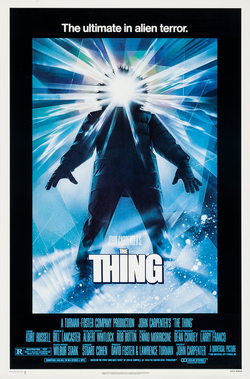
The Thing, directed by John Carpenter, emerged in 1982 as one of the defining films of the science fiction horror genre, securing its status as a cult classic amidst a rapidly evolving cinematic landscape. Following his success with Halloween, Carpenter continued to explore themes of fear and vulnerability, setting The Thing against a backdrop of isolation in the frigid Antarctic wasteland. The film's production, featuring groundbreaking practical effects from Rob Bottin and a chilling score by Ennio Morricone, created an atmosphere that is as compelling as it is terrifying, further solidifying Carpenter's reputation as a master of horror.
Critical reception of The Thing has been notably mixed since its release, with some praising its suspenseful and tense narrative, while others deemed it superficially reliant on shock value. However, over time, consensus has coalesced around its artistry, particularly in how it explores human psychology under the strain of paranoia and mistrust. The film's conception of an alien entity that metamorphoses and assimilates its victims serves as a potent metaphor for the fear of otherness, a relevant theme during the onset of the 1980s tensions shaped by the Cold War and the AIDS crisis.
At its core, The Thing harnesses the essence of horror not merely through its impressive special effects and gruesome imagery, but through the atmospheric dread that permeates every frame. The isolation of the characters, trapped within their frozen surroundings, amplifies the stakes as they grapple with the ultimate betrayal from within. Carpenter meticulously crafts suspense through a gradual build-up of tension, inviting the audience to experience the characters' escalating paranoia, which culminates in a chilling confrontation with fear itself. This unique presence of dread distinguished the film from its contemporaries, allowing it to resonate as a significant artistic statement.
The performances, particularly those of Kurt Russell and Keith David, are commendable, delivering strong portrayals that reflect the psychological strain of their characters as they battle against not only the alien threat but also each other. Russell's portrayal of MacReady exemplifies both leadership and vulnerability, drawing viewers into the moral complexities of survival in a hostile environment. The ensemble cast's collective descent into mistrust captures the essence of Carpenter's critique on human nature under extreme duress, making the horror of The Thing as human as it is otherworldly.
In retrospect, The Thing has not merely endured but has thrived within the horror canon, praised for its impressive melding of psychological tension and physical horror. While initially overshadowed by more commercially successful films of the era, its influence can be observed in numerous works that followed. The film's ability to evoke potent themes of isolation, alien invasion, and existential dread continues to resonate, marking it as a significant achievement in both Carpenter's oeuvre and the broader tapestry of horror cinema.