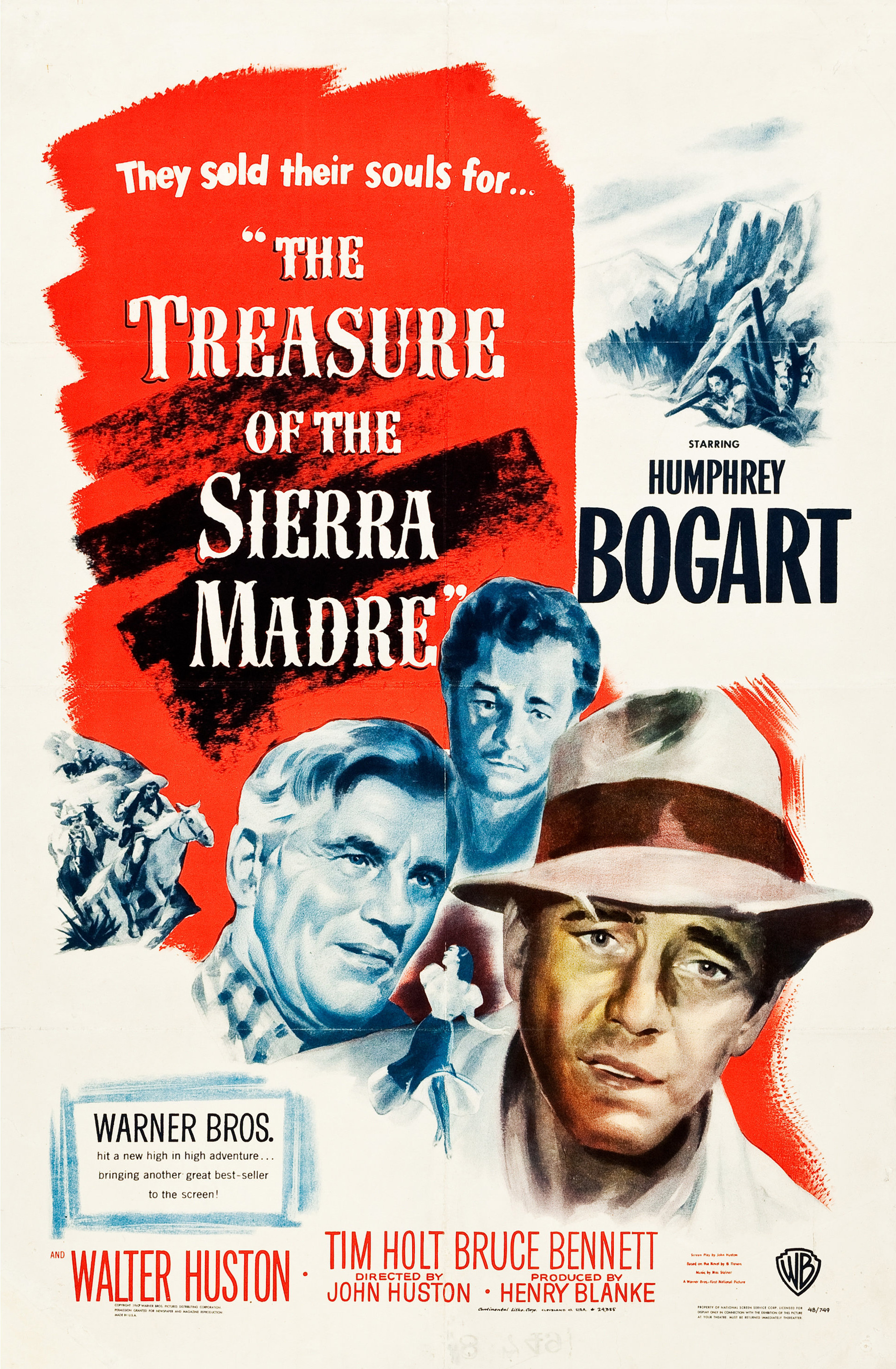
The release of The Treasure of the Sierra Madre in 1948 marked a pivotal moment in American cinema, illustrating both the capabilities of director John Huston and the darker side of human nature. This film, which earned Huston an Academy Award for Best Director, stands out not only as a critical success but as a thought-provoking exploration of themes that resonate deeply even today. Set against the backdrop of the desolate Mexican wilderness, it offers a stark commentary on the perils of greed and the moral degradation that accompanies the relentless pursuit of wealth.
Critics largely agree that The Treasure of the Sierra Madre intricately illustrates how greed can corrode even the strongest bonds of camaraderie. The film's primary characters, a trio of prospectors, are initially united by a shared dream of fortune, yet as the allure of gold becomes increasingly powerful, their human nature is put to a harrowing test. The rich performances from Humphrey Bogart, Walter Huston, and Tim Holt are pivotal in portraying this moral decline, effectively showcasing the tragic transformation that comes when desperation and avarice take hold.
The film does not shy away from depicting the desolation experienced by the characters, which serves to heighten their emotional and psychological unraveling. Cinematographer Ted McCord captures the arid landscapes and stark environments, further reinforcing the themes of isolation and despair that permeate the narrative. Many reviews emphasize the realistic portrayal of human behavior when subjected to the pressure of survival amidst greed. The harsh realities faced by the characters debunk romantic notions of adventure, instead presenting a sobering exploration of the darker impulses that govern mankind.
As the narrative unfolds, the tragedy of man's moral decline becomes painfully evident. The audience witnesses how the characters’ relationships deteriorate under the weight of their desires, leading to a cycle of mistrust and betrayal. Huston's direction is masterful in maintaining a tone that oscillates between hope and hopelessness, inviting viewers to reflect on the nature of human relationships and the often-destructive hunger for wealth. The film's resonance with themes of moral degradation and the corrupting influence of greed creates a lasting impact, encouraging a rigorous examination of one's own values and choices.
In retrospect, The Treasure of the Sierra Madre stands as a significant artistic achievement that transcends its era, remaining relevant in discussions about greed and human behavior. Its realistic portrayal of human nature under pressure, combined with the tragic outcomes of the characters' choices, solidifies its status as a classic in the pantheon of American cinema. Huston's ability to craft a narrative that is both captivating and unsettling ensures that the film endures as a cautionary tale about the consequences of unbridled ambition and the fragility of trust.