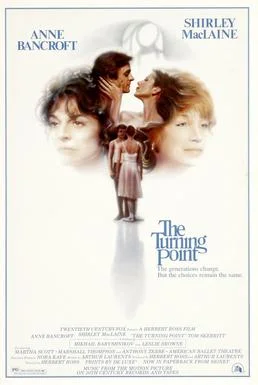
Directed by Herbert Ross and released in 1977, The Turning Point occupies a unique place in the pantheon of American cinema, melding the elegance of ballet with the complexities of female friendship and career choices. Ross, known for his deft storytelling and an uncanny ability to steer clear of the superficial, offers audiences a heartfelt exploration of ambition, sacrifice, and the emotional landscapes that define women's experiences in a patriarchal society. The film stands as a testament not only to Ross's directorial prowess but also to the broader cultural conversations taking place in the 1970s regarding women's rights and individual empowerment.
Critics have lauded The Turning Point for its rich, multilayered narrative that vividly portrays the intricate dynamics of female relationships. At the forefront is a poignant reunion between two former ballet dancers, portrayed by Anne Bancroft and Shirley MacLaine, whose diverging paths lay bare the sacrifices they made in pursuit of their respective dreams. The film's exploration of regret and reconciliation is both touching and thought-provoking, as it delves into the emotional conflicts that arise when personal ambitions clash with the bonds of friendship. This nuanced portrayal of female ambition, far from being merely aspirational, reminds viewers of the sacrifices often required to pursue one’s passion.
The dance sequences serve as a visual metaphor for the emotional currents at play, infusing the film with artistic elegance that complements its more dramatic elements. Critics describe the performances as nothing short of outstanding, with both Bancroft and MacLaine delivering heartfelt portrayals that echo the struggles faced by many women balancing personal choice and societal expectations. Through its artful choreography and storytelling, The Turning Point becomes more than just a dance film; it emerges as a broader examination of women's identities and the empowering possibilities available when they dare to confront their regrets and seize their destinies.
Ultimately, The Turning Point resonates with audiences due to its authenticity and sophistication, tackling social issues such as ambition, personal sacrifice, and the complex web of female relationships in an engaging way. The film invites viewers to reflect on their own choices and the impact of those choices on their relationships. With an emotional depth that remains relevant, The Turning Point is not merely a relic of its time, but a poignant reminder that the pursuit of individual dreams can often lead to profound emotional conflicts, making it a timeless classic in the dialogue surrounding women's rights and personal empowerment.