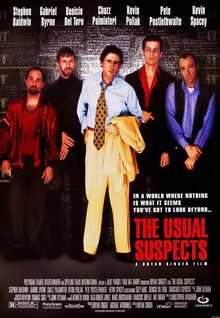
The Usual Suspects, directed by Bryan Singer, stands as a cornerstone of 1990s cinema, skillfully weaving a complex narrative that has continued to resonate with audiences and critics alike. Released in a decade marked by cinematic experimentation and a thirst for unconventional storytelling, the film not only helped define the neo-noir genre but also showcased Singer's ability to blend style with substance. With a story filled with intrigue and suspense, The Usual Suspects captures the essence of moral ambiguity inherent in crime dramas, establishing itself as a significant entry in Director Bryan Singer's filmography alongside later works that explore similar themes of manipulation and deception.
The critical consensus surrounding The Usual Suspects emphasizes its intricate plot and unpredictable twists, both of which serve to engage viewers at multiple levels. The film's structure, anchored by an unreliable narration, invites the audience into the psychological labyrinth inhabited by its characters. As they traverse a world filled with deception and betrayal, the viewer is constantly challenged to reassess their understanding of narrative truth and character motivations. The character of Verbal Kint, played masterfully by Kevin Spacey, exemplifies this complexity, drawing viewers deeper into a plot where power dynamics are constantly shifting.
A prominent theme in The Usual Suspects is the inherent moral ambiguity that pervades the world of crime depicted on screen. The characters inhabit a morally gray space, each acting out of self-serving motives, leading to a hard-edged portrayal of crime that is neither glorified nor vilified. Critics have praised the film for its ability to create a sense of sympathy for characters who are fundamentally unsympathetic, effectively increasing the stakes in a high-tension narrative. This moral complexity enriches the storytelling, prompting viewers to ponder the ethical implications of each character's choices amidst their betrayal and manipulation.
Furthermore, The Usual Suspects is recognized for its clever and stylish execution, showcasing Singer's directorial prowess in crafting an engaging experience. The cinematography, combined with a slick narrative style, elevates the viewing experience and contributes to the film's cult status. Each scene is meticulously crafted, reflecting a complex interplay of character-driven storytelling and visual flair that further immerses audiences in the unfolding drama. The film’s dialogue is both sharp and impactful, revealing the psychological intricacies of characters entrenched in a web of deceit.
In retrospect, The Usual Suspects serves as a commentary on the nature of truth in storytelling. The film encourages viewers to engage critically with the narrative and interrogate their perceptions of honesty in a world rife with deceit. The delicate balance between character development and intricate plotting ensures that the film continues to yield new insights with each viewing. Ultimately, The Usual Suspects remains a high watermark in the landscape of crime cinema, emblematic of a time when filmmakers dared to embrace narrative complexity and moral ambiguity, making it a timeless piece worthy of study and admiration.