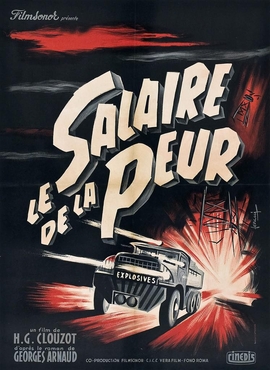
Henri-Georges Clouzot's The Wages of Fear, released in 1953, stands as a formidable monument in the canon of cinema, deeply rooted in the themes of desperation and human endurance. This French thriller is not only a gripping study of human nature under extreme duress, but it also serves as a critical examination of the lengths to which individuals will go to secure their survival. Clouzot, often regarded as a master of suspense, delivers an intense narrative that captures the audience's attention, establishing a gripping atmosphere that permeates every scene. This film came during a period when European cinema was evolving, adopting a more psychological approach to storytelling that left indelible marks on the landscape of global film.
At the heart of The Wages of Fear lies a stark portrayal of desperation, as four men, desperate for money, are unwittingly drawn into a perilous mission to transport nitroglycerin across treacherous terrain. This setup not only exudes suspense but profoundly explores the fragility of human ambition, highlighting how external circumstances can strip away civility and expose raw instincts. The film brilliantly illustrates how fear and desperation intertwine, propelling ordinary men into extraordinary, life-threatening situations. Clouzot's deft direction ensures that tension is palpable throughout, with each twist pushing the characters, and the audience, further into the abyss of their own psyches.
Critics consistently highlight the film's ability to sustain a gripping tension that feels relentless. The narrative builds suspense meticulously, engaging viewers in the men’s harrowing journey as they confront their deepest fears and moral dilemmas. Each character represents different facets of human nature, grappling with internal conflicts and exhibiting a range of responses to the life-and-death stakes they face. Clouzot astutely delineates how survival instincts can lead to moral ambiguity, making the characters relatable yet profoundly flawed.
The critical consensus surrounding The Wages of Fear emphasizes its mastery in constructing a claustrophobic atmosphere, where each moment on screen is fraught with intensity. Clouzot’s ability to blend raw human emotions with suspenseful story elements sets this film apart from conventional thrillers. As such, the film provokes thoughtful reflection on what individuals are capable of when survival is on the line. It holds a mirror to our own nature, forcing audiences to confront the choices we make when pushed to the brink.
The enduring legacy of The Wages of Fear can also be traced in its influence on subsequent generations of filmmakers who admire Clouzot's technique and thematic depth. The film not only contributed to the thriller genre but also opened the door for more complex portrayals of desperation and survival in cinema. As a critical piece of Clouzot's body of work, it encapsulates his understanding of humanity’s darker urges and serves as a reminder of the precarious balance between civilization and chaos. Ultimately, The Wages of Fear is a gripping testament to the lengths one will go to when survival is at stake, leaving a lasting impression on both audiences and filmmakers alike.