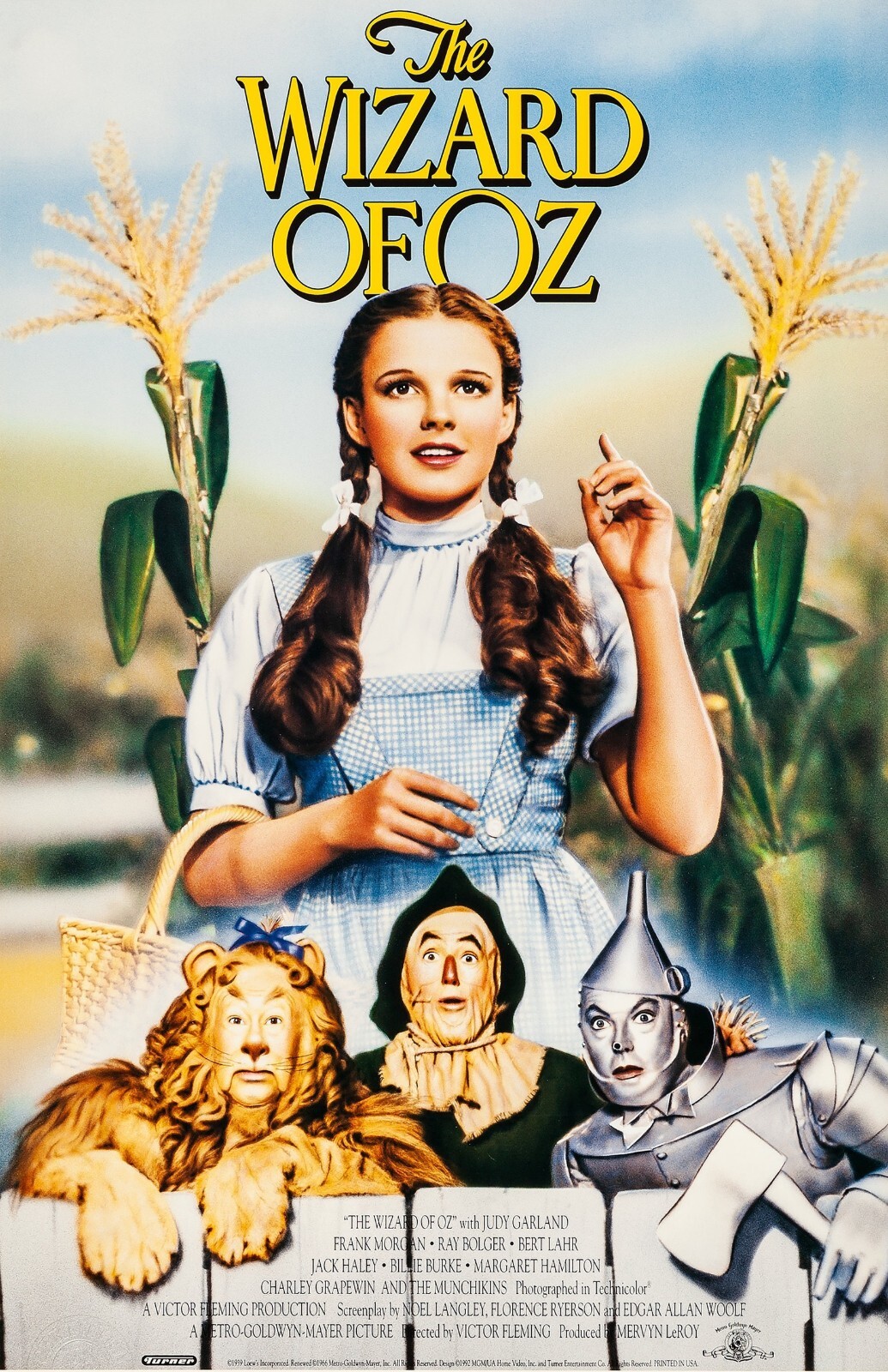
In the realm of cinema, few films possess the enduring charm and cultural resonance of The Wizard of Oz, directed by Victor Fleming and released in 1939. This film emerged during a time when Hollywood was transitioning into a new era of storytelling and technology, making full use of Technicolor to create a vibrant and fantastical world that would captivate audiences for generations. Fleming's adaptation of L. Frank Baum's beloved novel not only showcases his versatility as a director, but it also speaks to the artistic aspirations of a film industry poised at the brink of modernity. As part of the MGM studio system, The Wizard of Oz became a touchstone for cinematic innovation with its dazzling visual effects and memorable musical numbers, establishing a legacy that continues to influence filmmakers today.
Critically, The Wizard of Oz has been praised for its heartfelt exploration of timeless themes such as childhood fears, self-discovery, and the longing for home. Dorothy's journey—spurred by a desire to escape her mundane reality—mirrors the universal quest for identity and belonging, striking a chord with audiences both young and old. The film's nostalgic return to childhood dreams resonates deeply, offering a kaleidoscopic collection of adventures that highlight the importance of friendship, courage, and the pursuit of one's dreams. These themes have allowed the narrative to transcend its initial release, remaining relevant to contemporary viewers and inspiring countless adaptations across various media.
The critical consensus surrounding The Wizard of Oz highlights its dazzling presentation and memorable performances, particularly Judy Garland's iconic portrayal of Dorothy. While some critiques focus on aspects deemed unoriginal, the film's ability to evoke a sense of nostalgia is undeniable. Its psychedelic landscapes and vibrant color palette conjure memories of simpler times, serving both as an escape from reality and a profound commentary on the human experience. Critics often describe it as a magical journey filled with intricacies that blend entertainment with deeper existential reflections, illustrating how a children's film can address complex issues in a way that resonates through time.
Moreover, The Wizard of Oz finds itself at the intersection of various cultural movements, even inspiring modern adaptations that seek to interpret its themes through contemporary lenses. This adaptability speaks to the film's foundational qualities and its role in ensuring diversity in storytelling; the characters’ odyssey through the whimsical yet perilous land of Oz reflects broader societal narratives of self-discovery and acceptance. In each retelling, the essence remains intact, allowing new audiences to experience the awe-inspiring adventure that has become a staple of American culture.
Ultimately, The Wizard of Oz stands as a splendid example of the power of cinema to capture the imagination, inviting viewers into a world where dreams can come true and the mundane can transform into the extraordinary. It remains an accomplished work that balances vibrant visuals with profound messages, echoing in the hearts of those who dare to follow their own yellow brick roads. This heartwarming saga will continue to be cherished not only as a nostalgic retelling of a classic story but also as a pivotal cultural artifact that speaks to the human spirit.