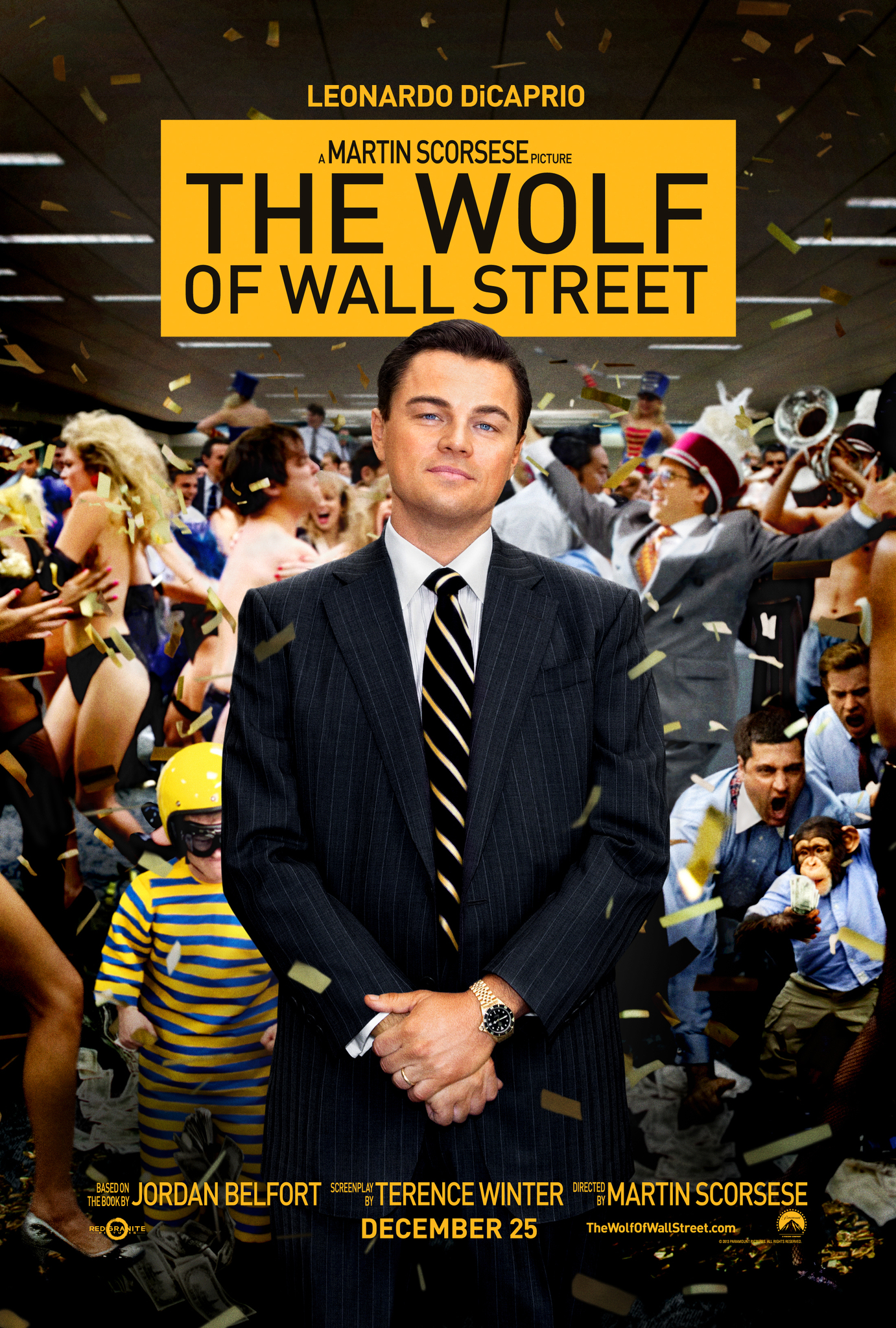
Martin Scorsese’s The Wolf of Wall Street stands as a vibrant yet controversial entry in the landscape of contemporary cinema. Released in 2013, the film delineates the extravagance and moral vacuity of its titular character, Jordan Belfort, portrayed by an exuberant Leonardo DiCaprio. Rooted in Scorsese's rich history of examining the darker sides of capitalism and the American Dream, it serves as a bold companion piece to works like Goodfellas and Casino, yet takes its narrative excesses to outlandish new heights.
The film delves deep into the world of white-collar crime with unquestionable energy, positioning itself as an exhilarating black comedy that excels in its depiction of greed and the indulgent lifestyles of its unlovable characters. It invites viewers into a chaotic orgy of opulence and moral corruption, offering a satirical lens on the financial corruption that permeated Wall Street in the late 20th century. However, this exuberance is punctuated with a palpable sense of hollowness, reflecting Scorsese’s acute awareness of the savage bite of his central theme: the futility of excess.
Critically, The Wolf of Wall Street has sparked a divided response, with some praising its energetic storytelling and others decrying its three-hour runtime as wearying. Many reviews highlight the film's slick cinematography, rapid-fire dialogue, and indispensable use of swearing as both a stylistic choice and a faithful representation of Belfort’s world. The film’s pacing and visual dynamism, both hallmarks of Scorsese’s filmmaking, propel audiences through a tumultuous journey that is at once uproarious and revolting, exhilarating and exhausting.
At its core, this film presents a pantomime of moral decay that is as fascinating as it is disturbing. The viewer is led to laugh at the excesses displayed, yet there exists a lingering discomfort that reflects a broader commentary on society’s fixation with success, wealth, and the moral degradation often lying in their wake. Despite its exuberant flair, critics have underscored the film's potential platitudes and the weariness that accompanies the barrage of indulgent imagery.
Ultimately, The Wolf of Wall Street is not only a narrative of greed and privilege but also a comprehensive exploration of immorality and its discontents. The film’s ability to juxtapose humor against a backdrop of ethical collapse serves as a reminder of the consequences of pursuing a life unanchored by moral considerations. In a director's oeuvre that consistently unravels the complexities of humanity, Scorsese fervently reasserts his capacity to blend sensationalism with a savage critique of American society.