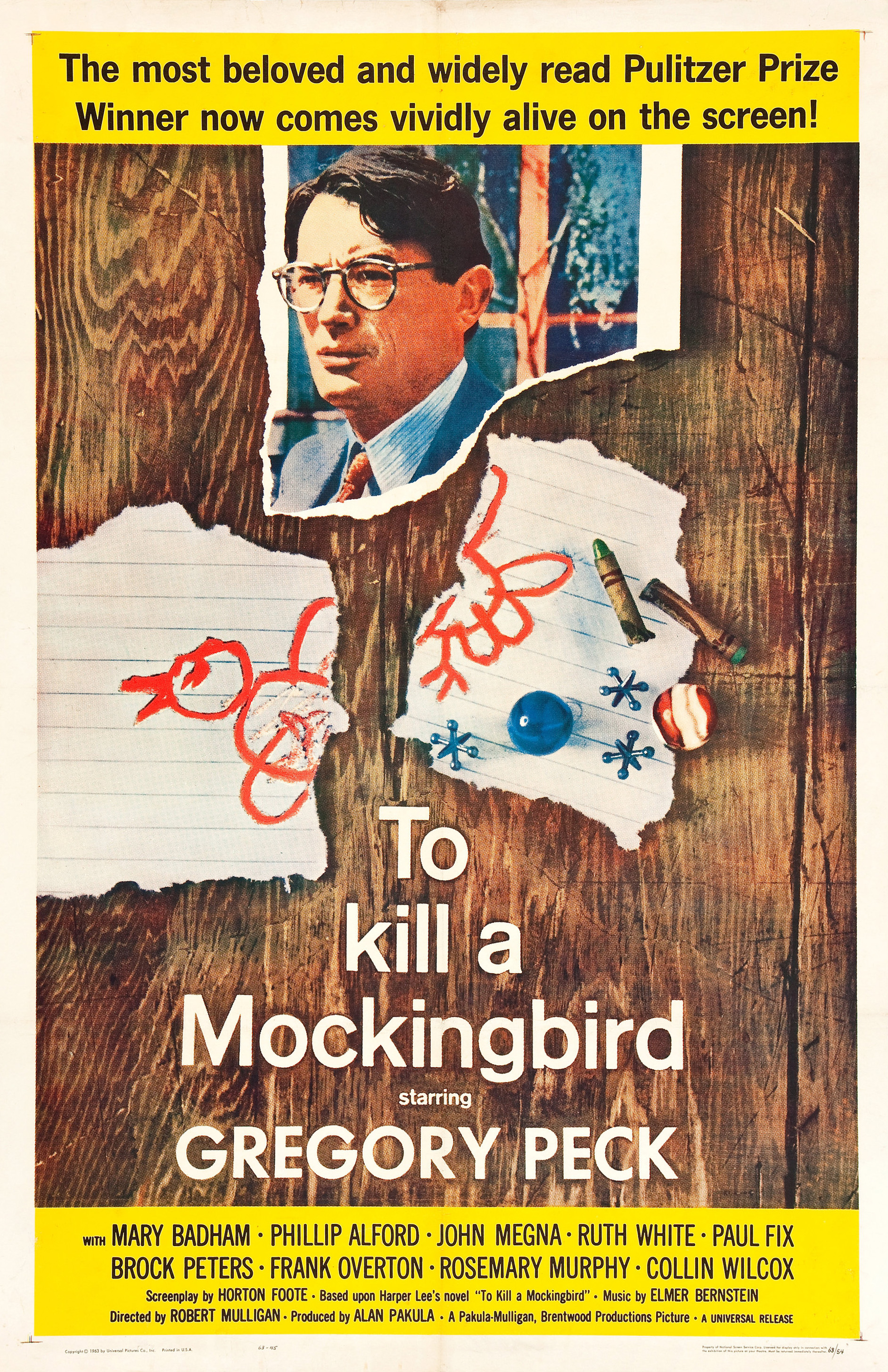
Released in 1962 and directed by Robert Mulligan, To Kill a Mockingbird remains one of the most powerful and influential films in American cinema. Adapted from Harper Lee’s celebrated novel, the film captures the complexities of human morality and racial injustice in a small Southern town during the Great Depression. Mulligan's direction beautifully complements the nuanced script by Horton Foote, bringing to life the poignant and often harsh realities of the American South. The film's enduring relevance lies in its authentic portrayal of a society grappling with deep biases, making it a lasting touchstone in the dialogue about race relations in the United States.
Critics have consistently highlighted the film’s central themes of racial injustice, moral integrity, and the painful journey of coming of age. At the heart of the film is the character of Atticus Finch, portrayed with remarkable depth by Gregory Peck, who stands as a moral beacon amid a tide of prejudice and ignorance. His unwavering commitment to justice, even when it places him and his family in jeopardy, is an inspirational element that resonates with viewers. As young Scout and Jem navigate their childhood, they learn harrowing lessons about empathy and the stark disparities within their community, framing the narrative in a way that speaks to both children and adults alike.
The consensus among critics is that To Kill a Mockingbird not only captures the essence of its source material but elevates it into a powerful cinematic experience. Through its moving performances, striking cinematography, and a hauntingly beautiful score, the film encapsulates the innocence of youth contrasted with the cruel realities of adulthood. Its exploration of moral complexity and the challenges of standing up against societal wrongs has made it a beloved classic, further solidifying its place in the annals of film history.
Beyond its immediate impact upon release, To Kill a Mockingbird has influenced countless filmmakers and continues to shape cultural conversations around ethics and justice. Its timeless messages about integrity and compassion resonate through generations, reminding audiences of the importance of empathy in confronting injustice. The film’s ability to evoke a deep emotional response ensures that it remains not merely a product of its time, but a vital narrative that speaks to the ongoing struggles against discrimination and prejudice. Ultimately, Robert Mulligan's film stands as a compelling reminder of the moral courage required to confront the challenges of race and justice in society.