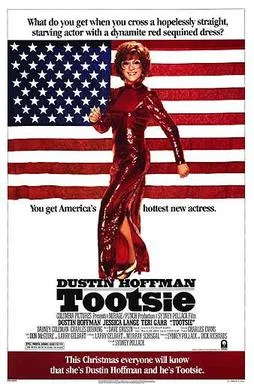
Released in 1982 and directed by Sydney Pollack, Tootsie stands as a landmark in comedy and a poignant examination of gender identity and roles within Hollywood. This film marked a significant moment not only in Pollack's illustrious career, as a director known for blending the dramatic with the comedic, but also in the broader cinematic landscape, noted for its audacious take on social norms. Starring Dustin Hoffman as Michael Dorsey, an actor who disguises himself as a woman to secure a role, Tootsie cleverly navigates the intricate terrain of identity and performance, predicated upon both comedy and insight.
The critical consensus surrounding Tootsie underscores its masterful blend of humor and drama. Reviewers have lauded the film for its sharp script, endearing performances, and the way it deftly critiques Hollywood's treatment of gender roles. The absurdity that unfolds as Michael tries to navigate life as Dorothy Michaels acts as a lens through which the film explores often serious themes with a light touch. This comedy of errors, rife with misunderstandings and mistaken identities, challenges viewers to reconsider societal expectations surrounding masculinity and femininity. In a cinematic era that often relegated such topics to the periphery of mainstream discourse, Tootsie emerged as a dazzling triumph.
Amidst its comedic undertones, Tootsie resonates with serious observations about the fluidity of gender and the inherent absurdities in the performance of identity. Hoffman's portrayal invites audiences to reflect on the constrictive nature of gender norms, revealing the vulnerabilities both men and women face in adhering to societal expectations. The film does not merely entertain; it serves as a sharp critique of the very fabric of Hollywood, particularly in its treatment of women and the complexities of male performance. This rich thematic interplay, coupled with its humorous narrative, elevates Tootsie beyond the realm of a typical comedy.
Moreover, Pollack's direction is noted for being both heartfelt and masterful, as he balances the absurdity of the premise with authentic emotional depth. The film's ability to shift from laugh-out-loud moments to introspective insights exemplifies Pollack's talent for capturing the human experience in all its complexities. This career-defining work remains deeply influential, inspiring discussions on gender identity that continue to resonate in contemporary cinema. Far from a simple farce, Tootsie persists as an insightful commentary on the performative aspects of identity, securing its place as not just a beloved classic but also a vital part of the film canon.