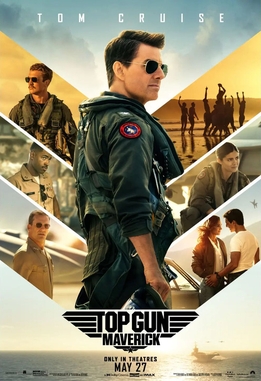
In an era where sequels are often met with skepticism, Top Gun: Maverick emerges not just as a sequel but as a heartfelt tribute to cinema’s past while charmingly reinvigorating its legacy. Directed by Joseph Kosinski, who has garnered attention for his visually captivating narratives, this film revitalizes the iconic characters and themes of the original Top Gun, released in 1986. As we follow Pete "Maverick" Mitchell, played once again by Tom Cruise, we are thrust back into a world filled with high-octane aerial stunts, layered with emotional stakes that explore mentorship, loyalty, and the complexities of aging and friendship in a fast-paced world.
Critical reception highlights the film's adept blend of nostalgia and action, which will resonate with both original fans and new audiences. Many reviews describe Top Gun: Maverick as a thrilling, immersive experience that balances its adrenaline-pumping sequences with moments of humor and heartfelt connection. The chemistry between Maverick and the new generation of pilots, especially Rooster, skillfully portrayed by Miles Teller, infuses the narrative with both tension and warmth. Themes of loyalty and mentorship play out against a backdrop of aerial combat, where characters are not only fighting for their country's honor but also navigating personal demons and relationships, crucial for a contemporary audience seeking emotional depth.
Nostalgia serves as one of the film's strongest elements, appealing to audiences that recall the values of camaraderie and bravery that defined the earlier film. The script cleverly intertwines familiar motifs, ensuring that references to past events resonate without feeling forced. Critics commend its ability to be both a standalone narrative and a homage to the original. As such, Top Gun: Maverick has been noted for its ability to immerse viewers into a story that feels both grand and intimate, allowing space for romance and bromance alike to flourish amidst the chaos of its action-packed sequences.
The film’s action scenes are notably breathtaking, leveraging advancements in technology and cinematography to create spectacles that are at once kinetic and grandiose. Kosinski's direction ensures that each flight sequence captures both the physical thrills and the overarching emotional weight of the characters’ journeys. This elicitation of viewer adrenaline, paired with moments of reflection and camaraderie, plays a vital role in how the film navigates its thematic terrain; effectively marrying high-stakes military sequences with personal growth narratives, which, in turn, cultivates a broader sense of patriotism.
As the film draws to a close, viewers may find themselves enveloped in a bittersweet mix of affection and melancholy, a clear indication of how well Top Gun: Maverick resonates beyond mere entertainment. It radiates joy through its romantic subplots, comedic interludes, and, ultimately, its celebration of loyalty, not just to one’s country, but to the relationships forged in the skies and beyond. In the landscape of modern cinema, where spectacle often overshadows substance, Top Gun: Maverick stands as a testament to the power of storytelling that honors both its predecessors and its audience.