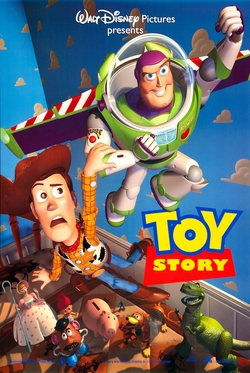
In the landscape of animated cinema, Toy Story stands as a groundbreaking achievement, both for its pioneering use of computer-generated imagery and for its heartfelt storytelling. Directed by John Lasseter, the film was released in 1995 and marked the inception of Pixar Animation Studios as a major player in the film industry. With its innovative technology, Toy Story not only redefined animation but also set a new standard for narrative depth and emotional resonance in family films. This was Lasseter's first feature film, and it established him as a visionary director whose understanding of character and emotion would become a hallmark of his later works.
Critics have widely acknowledged Toy Story for its multifaceted exploration of friendship, identity, and the inevitability of change, themes that resonate deeply within the human experience. The relationship between Woody and Buzz Lightyear serves as a testament to the complexities of friendship, marked by rivalry, misunderstanding, and ultimately, acceptance. The film gently navigates the fears of being replaced and the struggles of self-identity that accompany growth and change. As Woody grapples with his status as the favorite toy, Buzz’s arrival forces him to confront his own insecurities, allowing audiences to reflect on their personal journeys of identity and the significance of trusting friendships amidst life’s changes.
The humor infused throughout Toy Story is another distinctive feature that has invited audiences of all ages to engage with its narrative. The clever dialogue, quick wit, and memorable characterizations provide layers of comedy that resonate with both children and adults. Moments of levity punctuate the film’s deeper themes, ensuring that its exploration of identity and change remains accessible without undermining its emotional weight. In a world where toys come to life, the film pulls back the curtain on the fears and joys of childhood imagination, creating a richly textured experience that invites viewers to embrace their own experiences of growth and transformation.
The critical consensus surrounding Toy Story underscores its innovative storytelling and its ability to evoke heartfelt sentiments while blending humor seamlessly into the narrative. This unique combination played a crucial role in its success, both at the box office and in the hearts of audiences. Reviewers have lauded the film for not only its technical achievements but also its profound impact on storytelling in animation. As Pixar's flagship film, Toy Story paved the way for future animated features that would similarly prioritize emotional depth and character development alongside technical innovation.
Ultimately, Toy Story transcends its medium to become a cultural touchstone that reflects universal themes of friendship, identity, and the inevitability of change. It is a film that resonates through generations, reminding us of the importance of connection and the enduring power of imagination. In redefining what animation could achieve, Lasseter and his team created a lasting legacy that continues to influence filmmakers today, affirming the belief that even in a world of toys, the human experience is at the forefront.