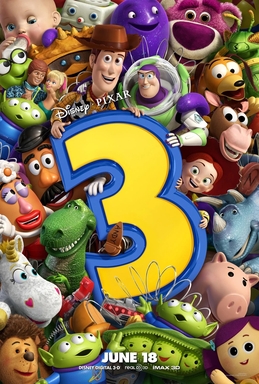
In the realm of animated films, Toy Story 3 holds a prestigious position not only as a continuation of Pixar's groundbreaking franchise but also as a profound exploration of the complex transition into adulthood. Directed by Lee Unkrich, this third installment builds upon the foundation laid by its predecessors, expanding the themes of loyalty and friendship while delving deeper into humanity's emotional landscapes. Unkrich, who has been pivotal in bringing to life the Pixar ethos of marrying humor with heart, crafts a narrative that resonates with children and adults alike, making Toy Story 3 a landmark film in both his career and animated cinema as a whole.
Critics unanimously praise Toy Story 3 for its ability to weave humor and poignancy, presenting a bittersweet portrayal of growing up and facing change. The film masterfully encapsulates the loss of innocence, illustrating the painful yet necessary farewell to childhood as Andy, the beloved owner of Woody and Buzz Lightyear, prepares to leave for college. This emotional core is skillfully balanced with comedic and slapstick elements that provide levity amidst the deeper, sometimes adult themes that arise in the narrative. The film is at once a joyful celebration of childhood and a touching contemplation on the passage of time and the inevitable changes that come with it, reflecting a universal experience.
Central to the film is the theme of friendship, exemplified by the enduring bonds between the toys as they confront uncertainty and potential loss. Toy Story 3 evokes nostalgia through its vivid portrayal of the toys’ camaraderie and loyalty, fostering a profound connection between the characters and the audience. The emotional stakes heighten as the toys grapple with their identity and purpose in a world that is moving on, striking a chord with viewers who recall their own experiences of growing up and the bittersweet feeling of saying goodbye to cherished moments. This exploration of nostalgia serves to deepen the viewer's investment in the narrative, making the inevitable changes all the more impactful.
Additionally, at its heart, Toy Story 3 examines parent-child relationships in a nuanced manner. The film captures both the joy and sorrow of growing up and departing from parental influence, where Andy’s transition reflects a deeper narrative of letting go. It starkly portrays the inevitable shift from child to adult, positioning the toys as symbols of innocence that must ultimately adapt to the reality of change, enforced by the march of time. Through this lens, the film becomes a touching reflection on the cycle of life, emphasizing the significance of acceptance and the enduring power of love and affection.
Overall, Toy Story 3 stands out not just for its technical achievements and cinematic artistry but for its ability to resonate on an emotional level with audiences of all ages. It is both a celebration of childhood and a gentle reminder of the heartache that accompanies growth and change. Critics laud its creative storytelling, moving performances, and the emotional depth it brings to animation, marking it as a defining moment in cinematic history and a powerful conclusion to the Toy Story trilogy. As viewers navigate their own experiences of nostalgia, loss, and the passage of time, Toy Story 3 remains a heartfelt reminder of the importance of friendship and the beauty found in letting go.