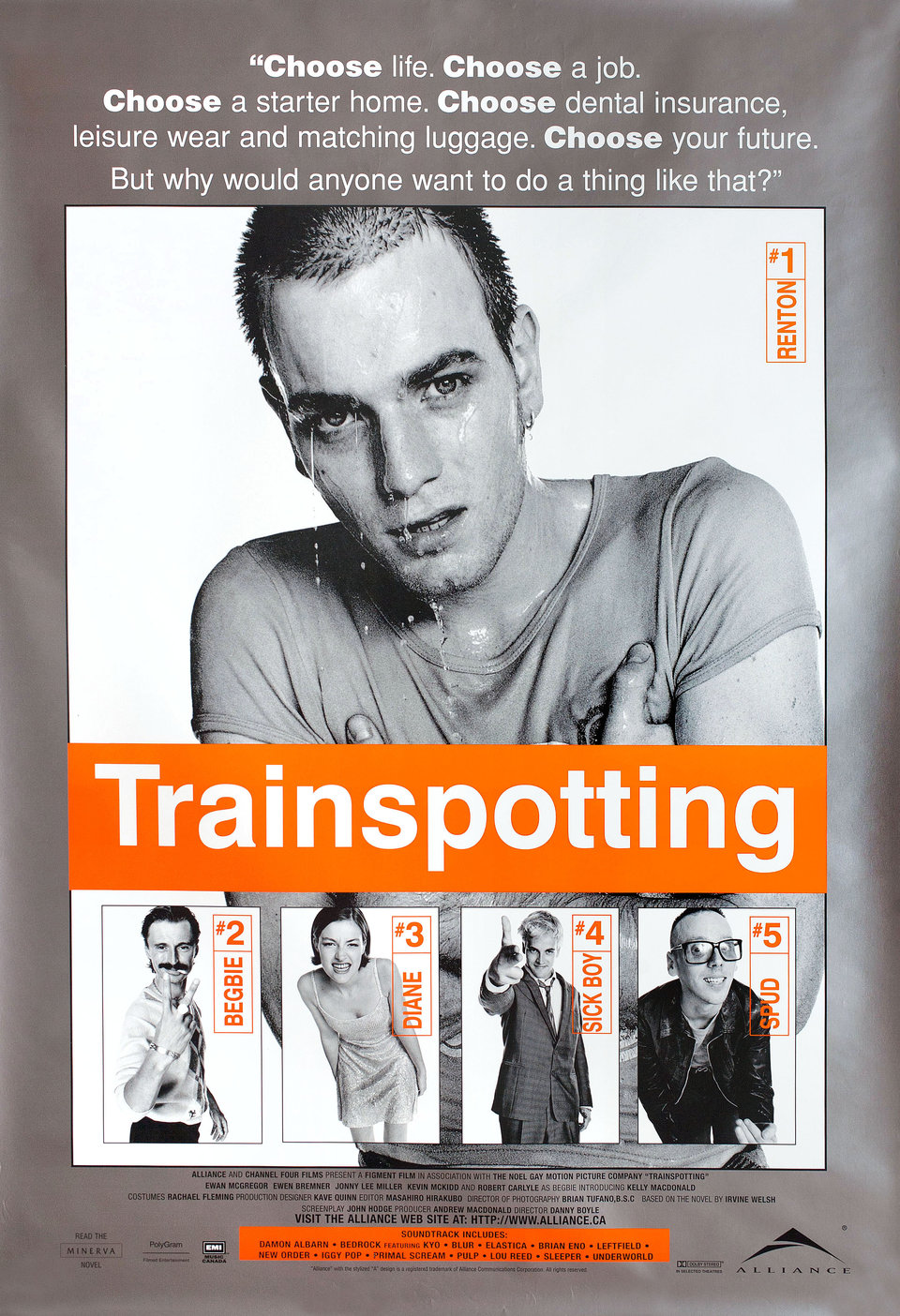
In the landscape of 1990s cinema, few films captured the zeitgeist of a generation like Trainspotting, directed by Danny Boyle. Emerging from the vibrant cultural backdrop of post-Thatcher Britain, the film not only put a spotlight on the grim realities of addiction but also celebrated the brash energy and rebellious spirit of youth culture. Drawing from Irvine Welsh's novel, Boyle's adaptation brought forth a strong visual style that highlighted both the beauty and despair of urban life in Edinburgh. As part of Boyle's distinguished body of work, which often grapples with themes of survival and the human condition, Trainspotting stands out as a defining moment that melds humor, tragedy, and raw authenticity into a compelling narrative.
The unanimously strong critical consensus surrounding Trainspotting often points to its unflinching portrayal of addiction. The film's protagonist, Mark Renton (played by Ewan McGregor), embodies the struggle for escape as he navigates the turbulent waters of heroin use and the unyielding grip it has on his friends. This reflection on addiction goes beyond the mere depiction of drug use; it prompts audiences to consider the underlying desires for freedom and self-identity that fuel such choices. The energetic and brash storytelling style combined with the film's striking visuals captivates viewers while simultaneously eliciting discomfort about the harsh realities faced by its characters.
Central to Trainspotting is the theme of friendship amidst chaos. The tight-knit group of friends, including characters portrayed by Ewen Bremner, Jonny Lee Miller, and Kelly Macdonald, explores the bonds that are simultaneously strengthened and strained by their shared experiences with addiction. The film’s mix of humor and tragedy creates a space for reflection on not just their friendship, but on the choices that define their lives. The camaraderie depicted is beautifully complex, blending moments of laughter with the stark consequences of their addiction, thus providing a poignant commentary on the nature of relationships amidst adversity.
Urban life, with its stark contrasts and vibrant chaos, serves as a vivid backdrop within Trainspotting, offering a deep exploration of how environment shapes the identities of its characters. Boyle’s energetic direction transforms the streets of Edinburgh into a character of its own, pulsating with life while underscoring the despair present in the characters' existence. This striking representation of urban landscapes aligns closely with the film’s exploration of youth culture, emphasizing both the collective energy and the crushing realities that accompany it. The soundtrack, filled with iconic 90s music, further enhances this connection, channeling the rebellious spirit that many found relatable at the time.
Ultimately, Trainspotting remains a powerful piece in cinematic history, resonating with audiences due to its raw treatment of youth, addiction, and the search for meaning in a chaotic world. Boyle’s brash yet thoughtful style makes the film not just an exploration of drug culture but a multifaceted commentary on the human condition. Its continued relevance is reflected in discussions around addiction and urban life, marking it as a film that transcends its era while vividly capturing the essence of a generation, making it a must-watch for those seeking an insightful look into the complexities of friendship and escape.