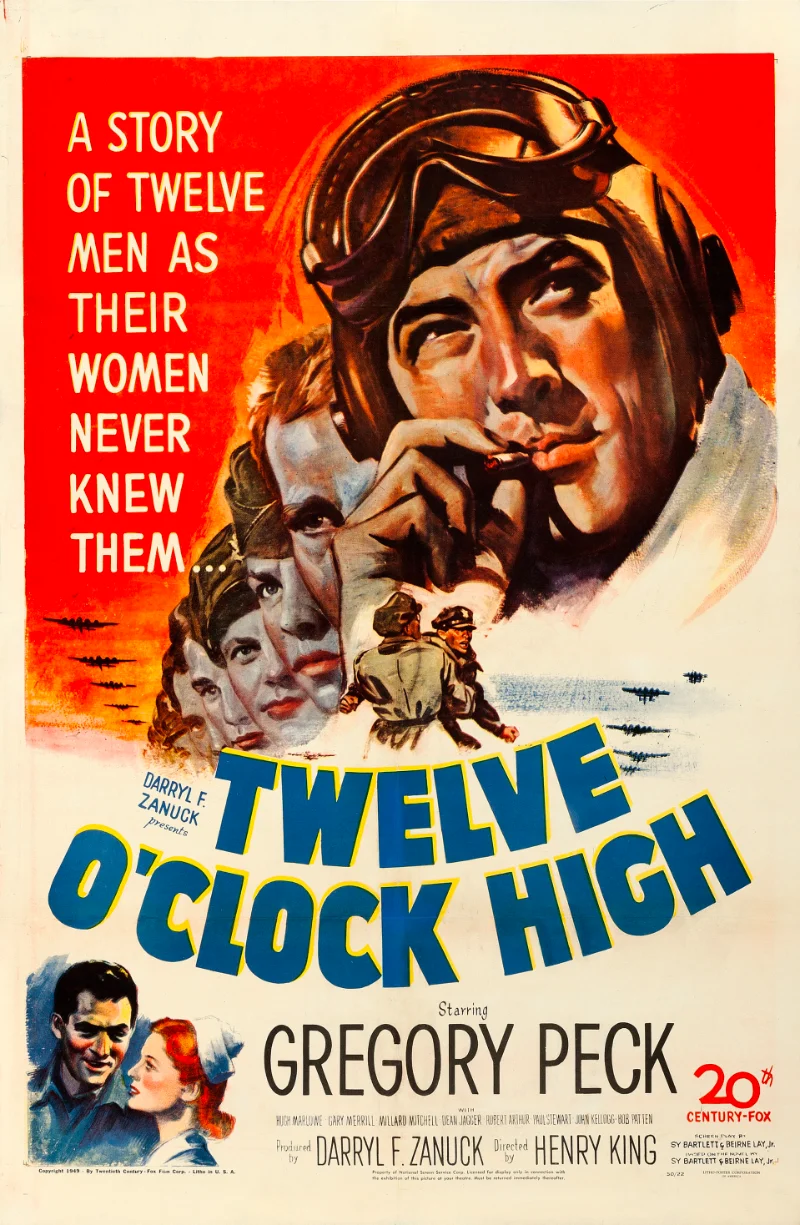
In the pantheon of war films, Twelve O'Clock High holds a distinguished position as a powerful exploration of the psychological strains of military command, particularly as it pertains to World War II aviation. Directed by Henry King and released in 1949, the film is noted for its gripping narrative and outstanding performances. King, who was recognized for his ability to handle complex narratives and character studies, here delves into the moralities and burdens borne by those at the helm of military operations. His expertise in crafting deeply human stories is evident throughout the film, which remains a remarkable examination of both leadership and vulnerability amid warfare.
Critics have hailed Twelve O'Clock High as one of the finest aviation dramas of its time, with the film intertwining thrilling action sequences with a profound psychological narrative. The film’s central theme revolves around the pressures faced by commanders, particularly through the character of General Frank Savage, portrayed by Gregory Peck. Savage's transformation from a man of steady resolve to one burdened by the weight of his responsibilities exemplifies the psychological toll exacted by warfare. This facet of the film resonates deeply, accentuating the notion that leadership in combat situations is not just about tactics but also about emotional resilience and moral choices.
The film captivates with its thrilling aerial dogfights, expertly filmed to create tension and excitement. However, its most enthralling moments occur in the quiet introspection of its characters, making the audience acutely aware of the fragility of the human psyche under duress. The juxtaposition of exhilarating action against profound psychological stress is a hallmark of King's direction, applying a level of sophistication that is often overlooked in war narratives. Moreover, the film's portrayal of camaraderie and sacrifice among the aviators adds depth, emphasizing themes of loyalty and the heavy toll of war on personal relationships.
Critical consensus celebrates both the film’s artistry and its unflinching gaze at the costs of war. Twelve O'Clock High is not merely a war film; it is an exploration of the moral complexities faced by those in command, an investigation into the psychological battles that accompany the physical ones. This breadth of focus is what sets the film apart, as it presents a layered narrative that resonates with audiences on multiple levels. The mastery displayed in this film continues to inspire discussions about the impacts of leadership in times of crisis, making it a timeless piece in cinema history.