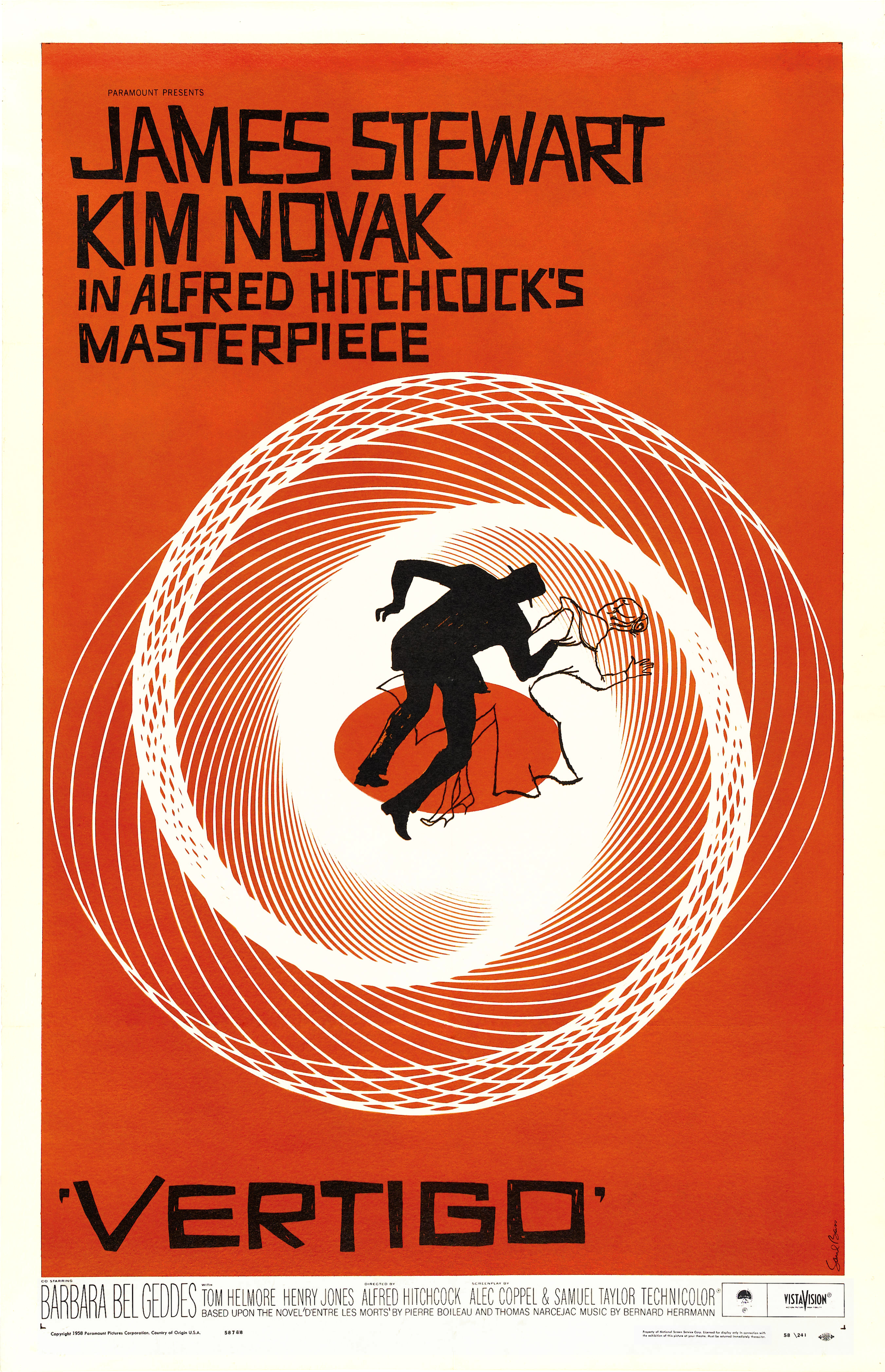
When Vertigo debuted in 1958, it marked a defining moment in Alfred Hitchcock's illustrious career and remains a significant entry in the annals of film history. This psychological thriller, though not immediately acclaimed, has since been recognized as a masterpiece, shaping the genre and influencing countless filmmakers. As Hitchcock's exploration of obsession and identity takes center stage, Vertigo transcends conventional cinematic boundaries, presenting a complex and confessional narrative that delves into the human psyche and the darker shades of love.
At the heart of Vertigo is a profound examination of obsession, where the protagonist, John "Scottie" Ferguson, portrayed exquisitely by James Stewart, becomes entangled in a macabre web of desire and illusion. His fixation on the ethereal Judy Barton, played by Kim Novak, spirals into a disturbing quest for control over a seemingly unattainable identity. As Scottie's obsession deepens, the film invites viewers to confront the haunting loss of a loved one and the terrifying lengths to which one might go to reclaim that sense of loss, blurring the lines between reality and illusion throughout the narrative.
Critics have hailed Vertigo as an elegant exploration of the mind, laden with stylish and experimental storytelling techniques. The film's breathtaking cinematography and haunting score contribute to its eerie atmosphere, heightening the psychological tension that permeates Scottie's journey. Through captivating visuals and innovative camera work, Hitchcock crafts a dizzying experience, compelling audiences to experience the protagonist's vertiginous descent into despair and madness, effectively portraying the internal struggles that accompany obsession.
The themes of identity and control are intricately woven into the fabric of Vertigo, as Scottie seeks to mold Judy into an idealized version of his lost love, Madeleine Elster. This act of control underscores a fundamental question of identity: can one ever truly possess another person without erasing their individuality? Critics argue that this dynamic encapsulates a chilling truth about human relationships and the often destructive nature of love. The film leaves viewers questioning the meaning of authenticity and the sacrifice that can accompany obsession, serving as both a thrilling narrative and a chilling psychological study.
As Vertigo continues to resonate with audiences and scholars alike, its legacy as a genre-defining psychological thriller remains unchallenged. The film's ability to engage deeply with its characters' inner lives while maintaining a gripping plot has ensured its place in cinematic history. Hitchcock's masterful ability to create a terrifyingly seductive atmosphere, layered with complex themes of loss and desire, cements Vertigo as a landmark film that not only shapes the thriller genre but also challenges viewers to reflect on their own obsessions and identities.