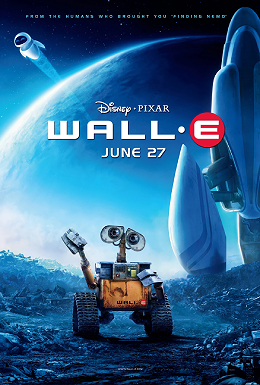
Released in 2008, WALL-E, directed by Andrew Stanton, is a remarkable entry in the canon of animated cinema, standing out not just for its innovative storytelling but also for its profound thematic explorations. As a hallmark of Pixar's expertise in weaving complex emotional narratives within bright and charming visuals, the film reflects Stanton's continued evolution as a storyteller following successes like Finding Nemo. WALL-E represents a daring departure from traditional animated features, showcasing a dialogue-free atmosphere that invites viewers into an enchanting, yet cautionary tale about both humanity’s path and its potential redemption.
At its core, WALL-E engages with pressing themes of environmentalism and technology's consequences. Set in a future where Earth has become a barren wasteland littered with discarded consumer goods, the film proffers a striking visual wonderment that is both captivating and haunting, urging audiences to reflect on their relationship with the planet. The titular character, a solitary waste-collecting robot, embodies themes of loneliness, yet his journey becomes an exploration of hope and love as he encounters another robot, EVE. Their blossoming romance injects a layer of warmth and charm into the narrative, transforming what could have been merely an ecological cautionary tale into a heartfelt exploration of connection and memory.
Critics have lauded WALL-E for its emotional depth, with many describing it as a soulful and instructive experience that manages to balance humor and poignancy. The film's visual storytelling, marked by its minimal dialogue, challenges conventional forms, inviting viewers to engage deeply with its rich animation and thoughtful imagery. It is this unique approach that lends the film a nostalgic quality, evoking memories of a time when fiction grappled with profound ethical dilemmas, paralleling earlier works of science fiction that have sought to address humanity’s future.
Stanton's directorial vision reinforces the film's critical stance on modern society's reliance on technology, exploring the contradictions inherent in progress and its impact on human relationships. The film does not shy away from presenting a bleak outlook, a world devoid of care for ecological balance, but it tempers this with a message of possibility. Through the journey of WALL-E and EVE, viewers are reminded of the resilience of love and hope, capturing an abiding belief in humanity's potential for renewal and change. This balance of caution and optimism resonates powerfully, placing WALL-E among the most thought-provoking works in the animation genre, and securing its place in the cultural lexicon as both a film of entertainment and significance.
Ultimately, WALL-E emerges as a testament to Pixar's ability to craft narratives that transcend age and genre, solidifying the studio's reputation for groundbreaking storytelling. It simultaneously revisits and challenges the trends of cinematic history, merging nostalgia with an urgent call to action in a visually stunning package. As audiences continue to grapple with the ramifications of their actions on the environment, WALL-E remains an essential film, reminding us that while our past may be littered with mistakes, our future holds the promise of love, connection, and reclaiming the beauty of our world.