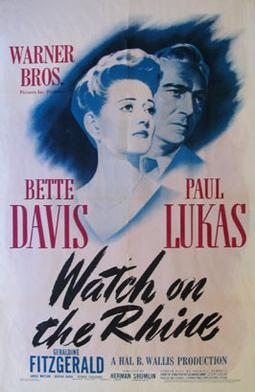
Watch on the Rhine, directed by Herman Shumlin in 1943, is a film that sits at an intriguing crossroads within American cinema during World War II. Borrowing from Lillian Hellman's acclaimed play, the film becomes a stirring exploration of familial loyalty amidst the backdrop of Nazi tyranny. Shumlin, known for his adept handling of socially relevant material, crafts a powerful narrative that blends drama, suspense, and a potent critique of fascism. As such, it not only reflects the anxieties of its time but also remains timeless in its exploration of political engagement and moral responsibility.
The critical consensus surrounding Watch on the Rhine reveals a deep appreciation for its thematic complexity. Reviewers have hailed the film as engaging and compelling, describing its anti-fascist message as not only timely but immensely relevant. The film's narrative revolves around a family torn apart by the pressures of war and ideological conviction, weaving a poignant murder mystery into the fabric of its storytelling. This clever intertwining heightens the emotional stakes and infuses the film with a sense of suspense and urgency that is both captivating and moving.
What distinguishes Watch on the Rhine is its resonant portrayal of family dynamics under pressure. Characters are not simply defined by their ideologies; rather, they embody the struggle between personal loyalty and the imperative to resist tyranny. This multifaceted approach humanizes the characters, making their conflicts relatable and their convictions clear. At its heart, the film argues for idealism and patriotic duty while examining the costs that come with standing against oppressive forces. Audiences are left not only with an appreciation for the characters' sacrifices but also with an understanding of the weight of choices made in times of conflict.
Stirring performances elevate this wartime drama, creating an incandescent atmosphere that leaves a lasting impression. Critics have noted the film’s elegance in balancing tension with moments of genuine emotional depth. The romance that simmers underneath the political turmoil enhances the narrative without overshadowing its core message. As such, Watch on the Rhine exists as a multifaceted work that is both a compelling drama and a rallying cry against fascism, ensuring its place in cinema history as a must-see for those seeking not only entertainment but also thoughtful engagement with crucial themes.