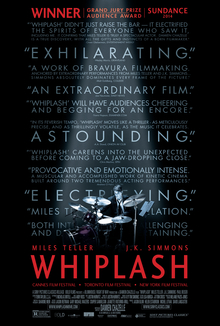
Emerging from the vibrant yet chaotic landscape of independent cinema, Whiplash (2014), directed by Damien Chazelle, stands as a provocative exploration of the human condition, distinctly marked by themes of ambition and sacrifice. This film arrives as a significant entry in a filmography that reflects the duality of charm and intensity, capturing the psychological nuances of striving for greatness. Chazelle's earlier work, including the acclaimed Guy and Madeline on a Park Bench, hints at a preoccupation with jazz and the complexities of creative expression, making Whiplash a natural crystallization of his artistic vision. Here, he weaves a thrilling narrative that not only entertains but also challenges audiences to examine the moral implications of extreme dedication within the artistic realm.
Critics have universally lauded Whiplash for its gripping portrayal of the fraught teacher-student dynamic, particularly between the driven drummer Andrew Neiman, played by Miles Teller, and the tyrannical instructor Fletcher, portrayed with unyielding ferocity by J.K. Simmons. The film goes beyond the conventional sports or music mentorship narrative by delving into how obsession with excellence can sometimes lead to toxic relationships. This exploration is emotionally intense, as viewers are taken on an exhilarating roller coaster of motivations, frustrations, and ultimately, personal triumphs. Chazelle expertly crafts a cinematic experience that evokes both empathy and discomfort, striking a delicate balance in portraying the dangers of unchecked ambition.
At the core of Whiplash lies the pursuit of excellence, depicted through a lens that is both fierce and unflinching. The film raises pressing questions about the cost of greatness, asking whether the pursuit warrants the ethical compromises that often accompany it. Throughout the narrative, Andrew's singular focus on achieving drumming mastery serves as a microcosm for broader themes of artistic obsession, where the line between passion and destruction becomes increasingly nebulous. The film's climax is not merely a testament to talent but rather a meditation on the sacrifices endured along the way, presenting a chilling discourse on what individuals are willing to endure in the name of success.
The visceral intensity embedded in Chazelle's direction keeps audiences on the edge of their seats, rendering musical rehearsals and drum solos as breakneck pulses of tension that evoke visceral reactions. By employing a rhythmic editing style that mirrors the cadences of jazz, Chazelle captures the frenetic energy of a creative mind in turmoil, leading to an electrifying portrayal of musicianship. As the film oscillates between moments of profound beauty and harrowing conflict, it solidifies its reputation as both an artistic triumph and a psychological thriller that grips viewers, compelling them to reflect on their own definitions of success.
Ultimately, Whiplash does not offer easy answers; rather, it ignites discussions about the very nature of ambition and the values we uphold in creative fields. As the credits roll, one is left pondering the stakes involved in such a relentless quest for superiority. Chazelle's masterful storytelling compels us to explore the implications of our own desires and the lengths we are willing to go to fulfill them. In doing so, Whiplash secures its position as a modern classic, resonating within the cinematic canon for its unflinching portrayal of the pursuit of excellence amidst the tumult of obsession.