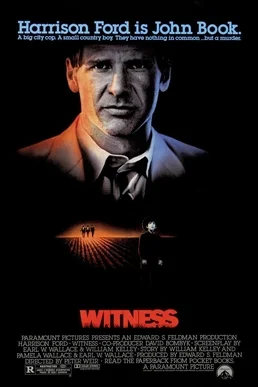
In the realm of 1980s cinema, few films resonate as powerfully as Witness, directed by Peter Weir. Emerging from a decade characterized by high-octane action and glamorized excess, Witness stands out for its depth and complexity. Centered around the collision of urban America and a traditional Amish community, Weir constructs a narrative that explores not only the tension between these two contrasting worlds but also the intimate human connections that can arise amidst chaos. This film marks a significant moment in Weir’s oeuvre, showcasing his capacity to synthesize thrilling storytelling with profound emotional depth, creating a film that transcends the era’s standard offerings.
The critical consensus on Witness underscores its duality as both a love story and a thriller, seamlessly weaving together themes of cultural identity and adult relationships. At its heart lies the electrifying and poignant romance between the main characters, Rachel and John, captured against a backdrop of murder and intrigue. The romantic tension that simmers throughout the film is masterfully developed, creating a palpable sense of longing and conflict as John, played with quiet intensity by Harrison Ford, navigates his role as protector and outsider. The simplicity of the Amish lifestyle contrasts sharply with the complexities of American urban life, crafting a rich environment for a thoughtful character study.
Weir’s direction is often lauded as both purposeful and effective, utilizing a sleek visual style that enhances the film's thematic depth. The cinematography illuminates the gorgeous Pennsylvania landscapes, emphasizing the serenity of the Amish community while simultaneously reflecting the underlying tensions of the plot. Many reviewers have noted the film's anti-‘80s ethos; it prioritizes intimate relationships and moral dilemmas over the flashy spectacle of its contemporaries. This subtlety is crucial to the film’s success, as it resonates with audiences on a deeper level while evoking a genuine sense of connection to both characters and setting.
The film's ability to elegantly navigate cultural clash is another hallmark of its storytelling prowess. The simplicity of the Amish way of life challenges the complexities of modern American existence, forcing viewers to confront their own ideals and values. This cultural dialogue invites a reflection on the nature of community, individuality, and the often-overlooked beauty found in simplicity. In this way, Witness operates not just as a thriller but as a commentary on contemporary life, urging viewers to reconsider what is truly essential in the face of external chaos.
Overall, Witness is a film that endures not merely for its thrilling narrative but for its emotional resonance and thoughtful explorations of love and cultural identity. It stands as a superior work within Peter Weir’s filmography, embodying a sophisticated blend of romance and tension that continues to captivate audiences today. Its themes remain relevant, inviting new generations to engage with the intricacies of human relationships set against the backdrop of competing cultural narratives. As such, Witness emerges not only as a defining film of its time but also as a universal exploration of what it means to be human.