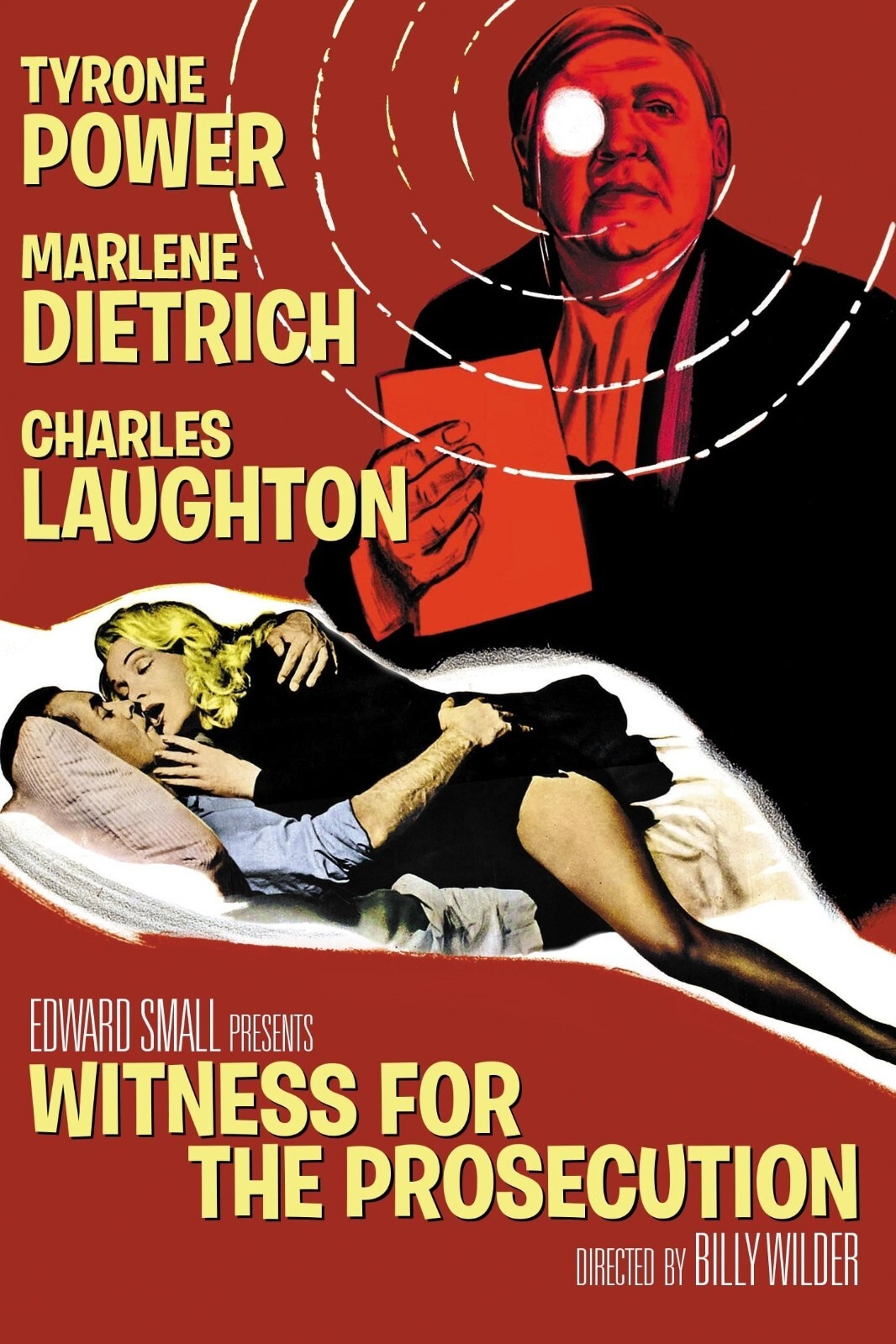
Witness for the Prosecution, directed by the masterful Billy Wilder in 1957, stands as a notable entry in both the director's illustrious career and the annals of classic courtroom dramas. Known for his unique ability to meld humor with darker themes, Wilder explores complex notions of justice and morality within the confines of a meticulously staged courtroom. Adapting Agatha Christie's renowned play, he delves into the intricacies of human deception, creating a narrative that expertly intertwines suspense and psychological depth. This film is often cited as an exemplary showcase of Wilder's keen directorial vision, culminating in a cinematic experience that resonates with both tension and theatricality.
Critics have widely praised Witness for the Prosecution for its strong performances and ingenious writing, which reflect the duality of the characters' moral standing. The film's lead actors deliver standout performances, particularly Charles Laughton as the astute barrister and Marlene Dietrich as the enigmatic femme fatale. Their interactions, sprinkled with Wilder's signature wit, encapsulate an oscillating tone that moves seamlessly between seriousness and levity. This balance of emotions enhances the dramatic stakes, revealing the lengths to which individuals will go when ensnared in a web of deceit. Such themes resonate widely, tapping into the ethical dilemmas faced within the judicial system.
The courtroom setting serves not only as a backdrop for conflict but also contributes to the film's heightened atmosphere. Utilizing elements of courtroom formality, Wilder creates a tension that keeps audiences engaged and uncertain about the truth's revelation. This expertly crafted environment plays a crucial role in enabling the narrative's slow adaptation from a play to a film, allowing the story to unfold with careful precision. The strong sense of place is further amplified by the film's atmospheric design, providing an engaging visual context that complements the psychological intrigue.
Moreover, the film's exploration of justice and morality raises thought-provoking questions about truth and deception. Wilder's direction guides us through a labyrinth of lies, leading to a climactic twist that forces both the characters and viewers to confront their impressions of justice. In this way, Witness for the Prosecution becomes more than just a courtroom drama; it evolves into a commentary on the complexities inherent in human nature. Ultimately, Wilder's ability to weave a narrative that is both entertaining and morally ambiguous solidifies the film's status as a classic, inviting reflections on ethics that continue to resonate today.