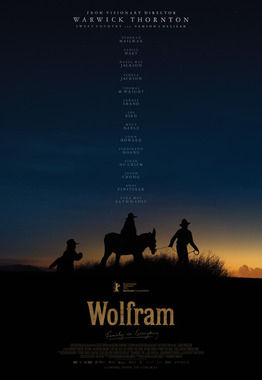
Warwick Thornton's latest film, Wolfram, resonates deeply within the context of cinema that grapples with the enduring effects of colonialism. Thornton, known for his evocative storytelling in works like Samson and Delilah and The Nightingale, crafts a narrative that extends beyond personal drama to address broader socio-political issues. Set against the backdrop of the harsh Australian landscape, the film reflects on the country's colonial past, exploring the intersections of identity, family dynamics, and Aboriginal rights. This thematic exploration adds a layer of complexity to Thornton's oeuvre, reaffirming his position as a significant voice in contemporary cinema that tackles the cultural repercussions of Australia’s history.
Critics have noted that Wolfram presents a brooding atmosphere characterized by its striking imagery and rough-hewn aesthetic. The film's visual composition is both captivating and melancholic, with an over-lit sheen that emphasizes the stark beauty of the environment. This deliberate choice serves to enhance the film's exploration of environmental challenges, as the characters grapple with their connection to the land and the implications of colonial exploitation. The harsh landscape in which the story unfolds is not simply a backdrop; it is a character in its own right that reflects the ongoing struggles faced by Indigenous Australians, thereby inviting viewers to reassess their perceptions of both land and identity.
Central to Wolfram is the conflict between good and evil, a theme that manifests not only in the story's interpersonal relationships but also in the larger ethical dilemmas surrounding colonial narratives. The film's portrayal of family dynamics illustrates the intricate layers of loyalty, loss, and resilience among its characters. As they navigate their struggles, the film intermittently achieves moments of profound emotional satisfaction amid its brooding tone. Critics have described these emotional arcs as occasionally unfocused, suggesting that while the film presents significant thematic depth, it sometimes loses clarity in its storytelling.
Despite its shortcomings, Wolfram is undeniably atmospheric, drawing audiences into its world through both sound and visual storytelling. The melancholy that permeates the film is a powerful reminder of the historical trauma faced by Aboriginal communities, accentuating the need for recognition and understanding of their plight. Thornton's ability to weave these elements into a compelling narrative allows the film to transcend mere depiction, prompting reflection on issues of systemic injustice and cultural survival.
Ultimately, Wolfram stands as a bold statement in Thornton's body of work, reinforcing his commitment to confronting the uncomfortable truths of Australia's colonial legacy. Its themes of identity, family, and environmental stewardship resonate strongly in today’s context, where discussions about Indigenous rights and reconciliation are part of a larger national discourse. While some viewers may find the film's pacing and focus uneven, it is precisely this authenticity that cultivates a deeper engagement with its themes, making Wolfram a significant addition to the canon of films that tackle Australia's complex social landscape.