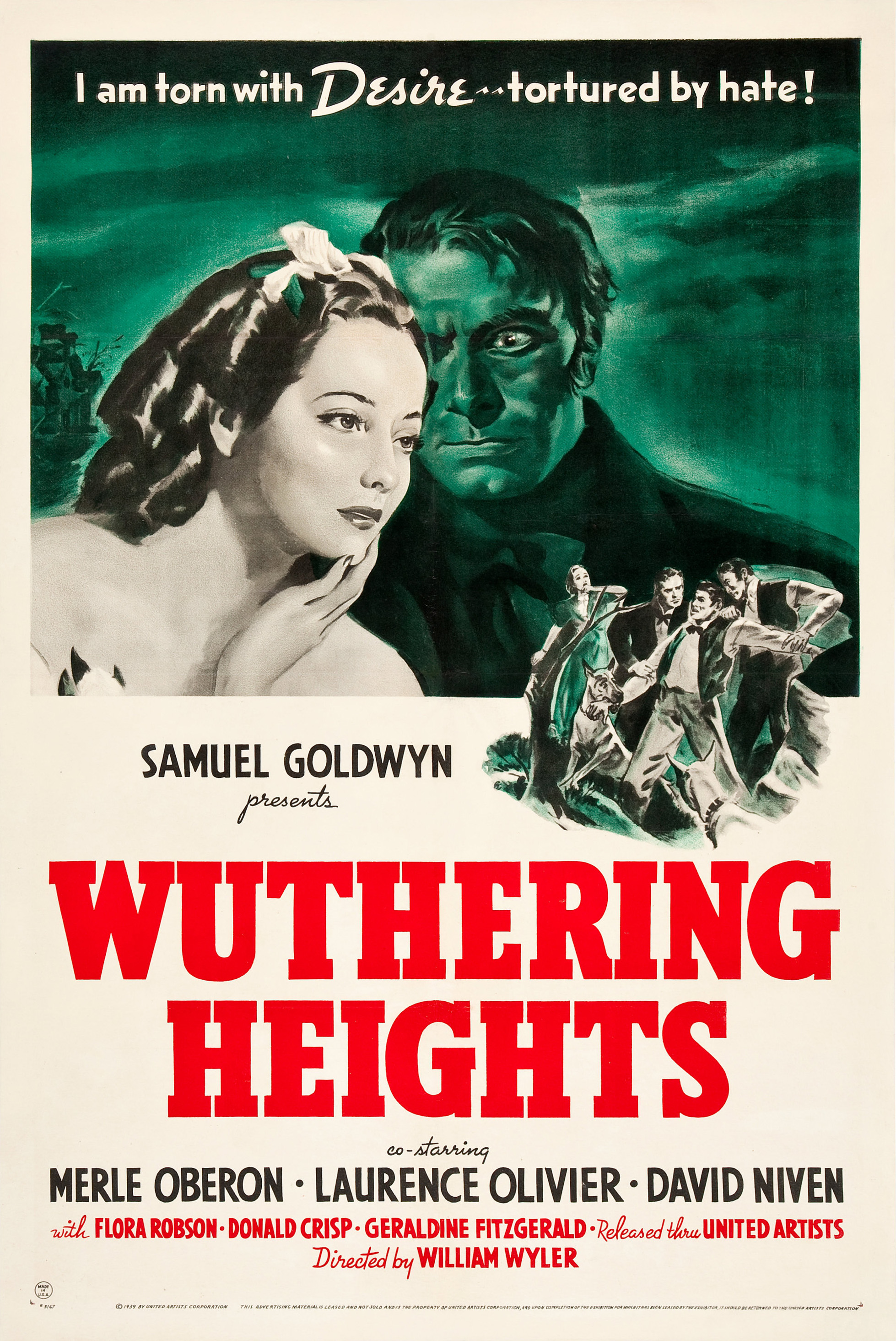
Directed by William Wyler, Wuthering Heights (1939) occupies a significant place in the history of cinematic adaptations of classic literature, particularly Gothic novels. As an eccentric entry in the director's diverse body of work, the film stands out for its audacious romanticism and nuanced character development, yet it also reflects the broader challenges that often accompany the transition from page to screen. The film navigates the convoluted terrain of Emily Brontë's 1847 novel, breathing vivid life into the passionate yet destructive relationship between Heathcliff and Catherine. Critics have noted that while Wyler's interpretation lavishes visual beauty and emotional depth upon this Victorian saga, it grapples with inherent contradictions that may detract from its overall impact.
The film is frequently described as both brilliant and flawed, showcasing a visceral portrayal of erotic obsession that both captivates and confounds audiences. Critics have pointed out that the romantic fervor depicted is almost surreal in its intensity, yet at times, it feels unconvincing and lacks the gritty realism that Brontë’s text embodied. The film oscillates between enchanting moments of raw emotion and tedious stretches that meander through an overly romanticized representation of the story. This pacing, while effective in parts, may ultimately leave viewers yearning for a more disciplined narrative structure that could have served the material better.
A constant theme throughout many critiques is the adaptation's struggle with the essence of Brontë's gothic elements. The movie embraces the atmospheric qualities of the moors and the elemental force of its characters, yet seems to falter when it comes to fully realizing the darker undertones of the source material. The social realities of Brontë's world are filtered through Wyler's lens in a manner that can seem superficial, resulting in a film that is at once rich in texture but lacking in depth of character motivations. As a product of its time, Wuthering Heights reflects Hollywood's inclination towards romantic drama and period pieces, yet it also shines a light on the limitations of a classic being reinterpreted through a 1930s American cinematic lens.
While the film emerged as a visually stunning achievement, with its moody landscapes and evocative cinematography, critics have pointed out that this visual style often eclipses the nuanced psychological exploration that stands at the heart of Brontë’s tale. The surreal quality of the film’s representation of love and vengeance resonates powerfully, but many argue it leans too heavily towards stylization, losing the textual fidelity so revered in Victorian literature. Therefore, Wuthering Heights serves as both a commendable effort to capture a beloved classic and an example of the broader ongoing challenges that adaptations face when striving to maintain authenticity while appealing to contemporary tastes.
In summary, Wyler’s Wuthering Heights is a complex tapestry woven from passion, desire, and revenge, rendered in stunning visual detail. Yet, the film languishes in terms of narrative coherence and emotional authenticity, leaving critics and viewers alike to grapple with its disparities. It stands as an example of the seductive allure of film as an art form while simultaneously highlighting the often perilous journey of adapting literature, a journey that can unveil breathtaking artistry even as it exposes the failures that underlie such transformations.