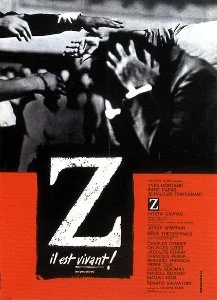
Released in 1969 and directed by Costa-Gavras, Z stands as a seminal work in the canon of political cinema, effectively bridging the gap between compelling entertainment and incisive social critique. The film is anchored in the real-life assassination of Greek politician Grigoris Lambrakis and the subsequent investigation, offering a gripping portrayal of political corruption and the complexities of justice in a turbulent societal landscape. Costa-Gavras' ability to infuse the narrative with a clear sense of urgency aligns with the political climate of the time, allowing Z to resonate beyond its immediate context and gain an international hit status that continues to echo in contemporary discussions on resistance and oppression.
Critics have lauded Z for its taut pacing and masterful storytelling, capturing the relentless search for truth in a world laden with deception. The film’s sharp, engaging style is complemented by its powerful emotional undercurrents, as it navigates the disheartening realities of a regime that resorts to intimidation and violence to maintain control. The investigation at the heart of the narrative lays bare not only the mechanics of political corruption but also the moral dilemmas faced by those who seek justice against overwhelming odds. In presenting characters who embody both idealism and fury, the film offers a multifaceted exploration of resistance in the face of oppressive forces.
Portraying a resilient fight against political abuses, Z challenges viewers to reflect on the fragility of democratic ideals. It serves as both a thrilling political drama and a poignant reminder of the sacrifices made in pursuit of justice. Costa-Gavras’ directorial approach is characterized by a commitment to realism, drawing audiences into a gripping narrative that refuses to shy away from the harsh truths of its subject matter. His ability to maintain suspense throughout the film ensures that the audience remains engaged, even as the story unfolds with an air of inevitability that amplifies the emotional stakes.
The film’s legacy is further solidified by its recognition at various prestigious award ceremonies, confirming its impact within the cinematic landscape. In blending fiction with stark reality, Z not only entertains but also educates, compelling viewers to critically examine the political structures that govern their lives. The masterful execution visible in its production design and performances enhances its status as a timeless piece, remaining relevant as it reflects ongoing struggles against political failures and systemic injustices. In doing so, it challenges audiences to acknowledge their roles in the larger narrative of resistance and societal change.