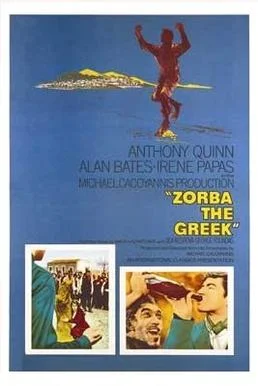
Directed by Michael Cacoyannis in 1964, Zorba the Greek occupies a unique space in cinema history, embodying the intersection of culture, philosophy, and dramatic storytelling. This adaptation of Nikos Kazantzakis's novel not only presents the vibrant cultural landscape of Crete but also reflects Cacoyannis's broader exploration of Greek themes, contrasting human joy with the profound weight of tragedy. Cacoyannis, known for his poignant examinations of the human condition, uses the film to portray the liberating spirit of friendship amid the backdrop of life's inherent struggles, setting a tone that resonates with audiences across generations.
The film's narrative centers around the unlikely friendship between the reserved intellectual Basil and the exuberant, free-spirited Zorba, whose zest for life serves as both a balm and a challenge for Basil. Critics have often remarked on how Zorba the Greek embodies life-affirming themes, celebrating the resilience of the human spirit in the face of adversity. This friendship evolves against the lush and melancholic Cretan landscape, which acts as a character in its own right, representing both beauty and the frailty of existence. Cacoyannis captures the vibrancy of Greek culture, navigating through the complexities of adaptation with a sensitivity that portrays both the charm and the darker undercurrents of life.
Critical reception of Zorba the Greek has been varied, reflecting a blend of admiration and expressed limitations. While many appreciate its energetic, vivid portrayal of life, some assessments lean towards identifying elements as clumsy or leaden. The film's intricate choreography of comedy and melancholy allows for an exploration of Greek tragedy, ultimately magnifying its emotional weight. This dynamic duality is made more compelling by the dazzling performances, particularly by Anthony Quinn as Zorba, whose portrayal embodies the vivacity of the film, even as it grapples with heavier themes.
What emerges consistently through critiques is a recognition of the film's enduring relevance and its cultural significance. Though certain aspects may feel dated, the narrative remains fresh in its celebration of resilience and companionship. The film's capacity to engage with the human experience, navigating joy, sorrow, and the pursuit of meaning, ensures its place as a significant work in Cacoyannis's oeuvre and in the broader context of cinema. As viewers immerse themselves in Zorba the Greek, they are invited not only to witness a story but to reflect on the richness of life itself, embracing both its trials and triumphs with open arms.