Career Overview
Anthony Minghella occupies a distinct and venerated position in contemporary cinema as a filmmaker who successfully bridged the gap between intimate character study and grand historical epic. Emerging from a background in theater and television, Minghella brought a deeply literate and dramaturgical sensibility to his cinematic endeavors. His career arc reflects a steady progression toward increasingly ambitious canvases, ultimately culminating in a reputation as a modern inheritor of the classical Hollywood tradition.
His ascendance to the upper echelons of international filmmaking was cemented by his singular ability to translate dense literary works into visually arresting cinema. By focusing on complex narratives of passion and trauma, Minghella carved out a niche that appealed to both rigorous art critics and broader audiences. His background as a playwright heavily informed his directorial approach, ensuring that even his most visually sweeping films remained anchored by profound human conflicts and meticulous dialogue.
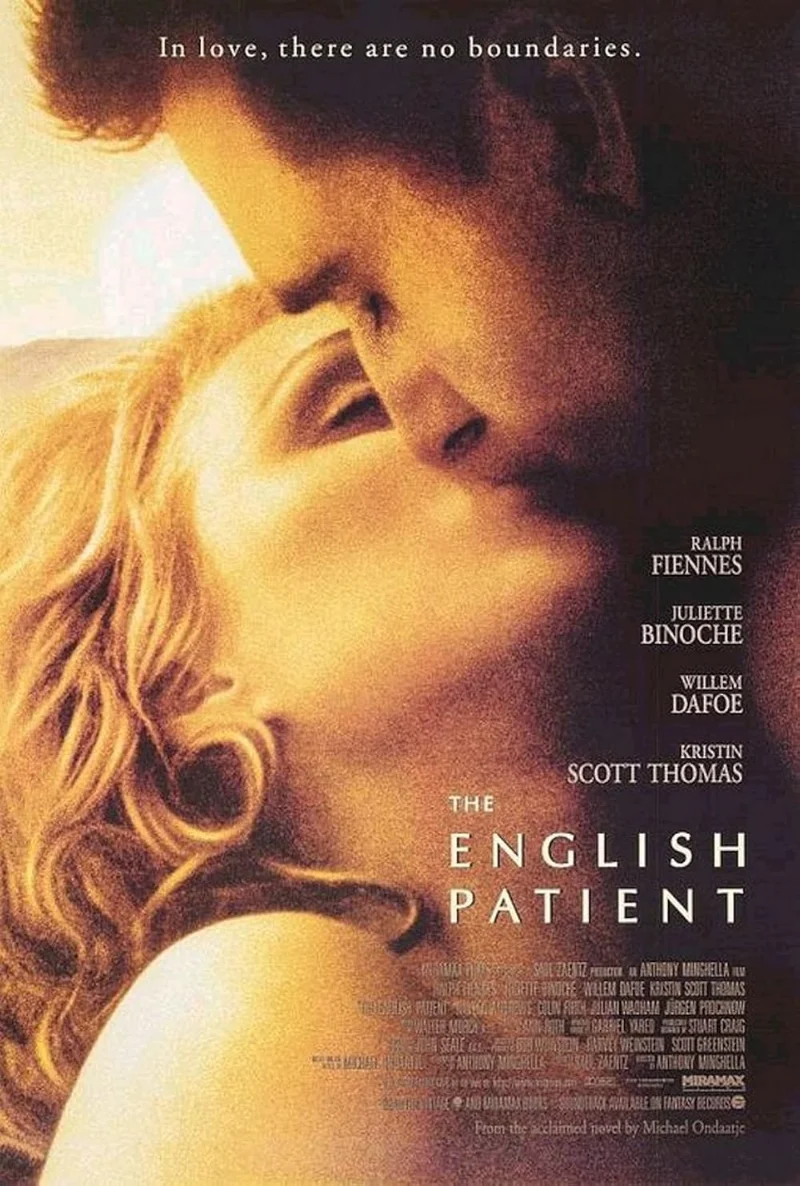
Within the landscape of global cinema, Minghella is frequently positioned as a bridge between the midcentury epic filmmakers and the modern auteur. His work, most notably represented in our database by The English Patient, demonstrates a profound understanding of how historical trauma shapes personal destiny. This chronological development from word driven theater to image driven cinematic epics marks him as a director of rare versatility and immense empathetic capacity, securing his legacy as a purveyor of the intelligent cinematic spectacle.
Thematic Preoccupations
The philosophical concerns animating the cinema of Anthony Minghella frequently center on the precarious intersections of identity and memory. His characters are often displaced individuals, wandering through foreign landscapes while grappling with the ghosts of their pasts. This thematic obsession allows him to explore how memory acts as both a sanctuary and a prison. In The English Patient, the very concept of nationality dissolves in the face of physical trauma and sweeping desert landscapes, forcing the protagonist to reconstruct his identity through fragmented recollections.
Intertwined with the fluid nature of identity is his rigorous examination of betrayal and loyalty. Minghella does not treat these concepts as simple binaries but rather as complex, overlapping necessities driven by extreme circumstances. The betrayals in his narratives are rarely malicious. Instead, they are tragic inevitabilities born out of desperation and deep romantic entanglement. Love in wartime becomes the ultimate crucible, testing the limits of personal allegiance against the overarching demands of political and national duty.
Furthermore, the director consistently operates on an epic scale, using expansive backdrops to magnify the intimacy of human connection. The historical turbulence in his work is never merely decorative. It serves as a formidable force that actively shapes the emotional lives of his characters. By juxtaposing the vastness of global conflict with the hyperfocused intensity of a tragic love story, Minghella asks a recurring philosophical question regarding whether personal passion can ever truly transcend the violent machinery of history.
Stylistic Signatures
The visual language of Anthony Minghella is characterized by its ravishingly beautiful compositions and a poetic, evocative approach to mise en scene. He possesses a distinctive ability to render immense landscapes as external manifestations of his characters' internal emotional states. His framing often emphasizes the vastness of the environment, utilizing sweeping wide shots that isolate individuals against monumental backdrops. This stylistic choice not only reinforces the thematic weight of his narratives but also ensures that the films remain consistently visually stunning.
His editing rhythms tend to favor an associative and fluid structure rather than strict chronological progression. Minghella relies heavily on visual rhymes and auditory cues to seamlessly transition between disparate timelines and locations. This approach creates a dreamlike texture, effectively mirroring the unpredictable mechanics of human memory. The pacing is deliberate and emotionally resonant, allowing the audience to fully absorb the tragic weight of the interwoven storylines without feeling rushed by the demands of a conventional plot.
Sound and music are integral components of the Minghella signature, operating as emotional anchors within his expansive visual canvases. He utilizes soaring, operatic scores to heighten the romantic and tragic dimensions of his narratives, drawing frequent stylistic comparisons to classical epics. The auditory landscape is meticulously layered, blending the violent cacophony of war with moments of profound, hushed intimacy. This careful balancing act between grand auditory spectacle and quiet, devastating silence defines his deeply moving cinematic aesthetic.
Recurring Collaborators
While the database notes that there are no specific recurring cast members identified across multiple films in this isolated dataset, the concept of collaboration remains foundational to the methodology of Anthony Minghella. Rather than relying on a fixed repertory company of actors, Minghella builds bespoke ensembles tailored to the specific historical and emotional demands of each project. His directorial process requires actors who are capable of navigating dense, literary dialogue while simultaneously projecting intense internal vulnerability.
A crucial collaborative dynamic in his filmography involves his engagement with source material and its creators. His work on The English Patient highlights a profound creative partnership with the original text by Michael Ondaatje. Critics frequently note how Minghella translates Ondaatje's nonlinear, poetic prose into a cohesive visual language. This act of adaptation is less about faithful transcription and more about a collaborative spiritual translation, where the director works in tandem with the established architecture of the novelist to build a mesmerizing romantic epic.
Furthermore, his cinematic achievements are deeply reliant on partnerships with elite technical artisans. The haunting beauty and emotionally resonant qualities of his films require cinematographers and production designers who can operate on a massive scale without losing sight of character intimacy. Although individual names may vary from project to project within the constraints of our current data, the unified aesthetic outcome suggests a director who excels at fostering intense, unified visions among his creative crew, resulting in visually arresting cinematic experiences.
Critical Standing
The critical reputation of Anthony Minghella rests firmly on his mastery of the modern emotional epic. Upon the release of The English Patient, reviewers across major publications, from The A.V. Club to the Los Angeles Times, unanimously praised his ability to craft a deeply romantic and tragic love story. His standing within critical discourse is unique, as he is celebrated for resurrecting a dormant genre. He infuses the grand historical romance with a rigorous psychological complexity that appeals to contemporary art critics.
Critics frequently contextualize his achievements by drawing direct comparisons to midcentury cinema giants. His sweeping desert vistas and ambitious narrative scope have provoked numerous comparisons to David Lean's Lawrence of Arabia, while his meticulous attention to repressed emotion and class dynamics echoes James Ivory's The Remains of the Day. These comparisons are not levied as accusations of imitation but rather as acknowledgments of his legitimate succession. Minghella is widely regarded as a filmmaker who successfully modernizes the classical cinematic vocabulary established by Lean and Ivory.
Over time, his legacy has only solidified, with retrospectives frequently highlighting the haunting beauty and ravishingly beautiful aesthetics of his work. While some modern trends have veered toward stark minimalism or frantic pacing, the deliberate, visually arresting style of Minghella continues to command critical respect. His films endure in the critical consciousness as deeply moving love stories that successfully balance vast historical trauma with devastatingly intimate human truths, cementing his enduring place in the pantheon of great international directors.