Career Overview
Antoine Fuqua began his career in the realm of music videos before transitioning into feature films, establishing himself as a reliable orchestrator of gritty urban thrillers and high-octane action cinema. His trajectory reflects a steady evolution from a stylized visualist to a trusted studio helmer capable of managing expansive budgets and high-profile stars. Over the decades, his filmography has been characterized by a pronounced interest in masculine archetypes and moral ambiguity.
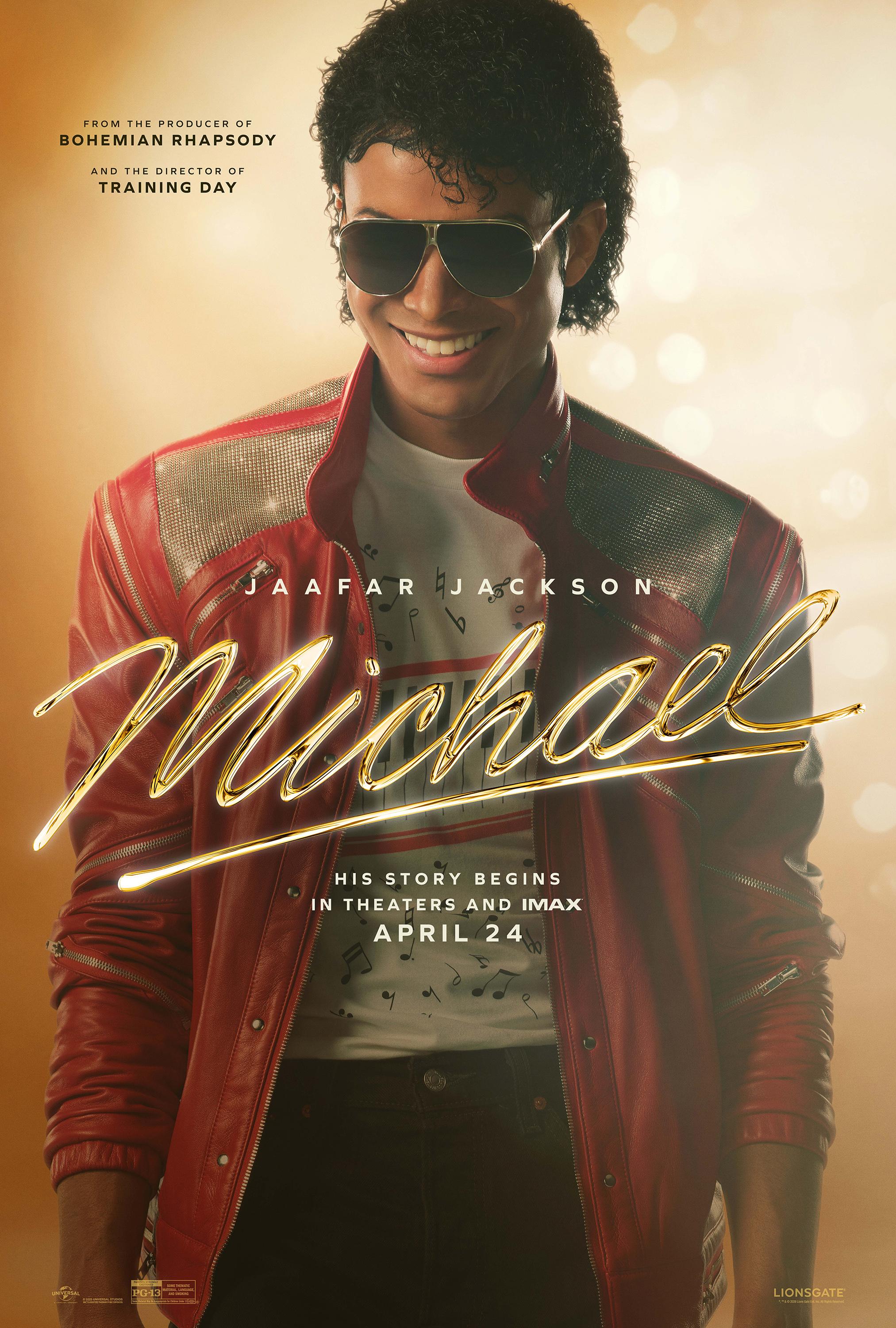
The recent phase of his career marks a significant pivot toward legacy management and biographical storytelling, most notably encapsulated by his direction of Michael. This ambitious project underscores a shift from fictional antiheroes to real-world global icons. By taking on the immense cultural weight of one of the most famous and scrutinized pop artists of the twentieth century, Fuqua positioned himself at the center of contemporary cinematic discourse regarding celebrity and hagiography.
Within modern cinema history, Fuqua occupies a space as a commercially successful auteur of popcorn entertainment whose work often prioritizes accessibility over formal boundary-pushing. His evolution into the biographical genre demonstrates his capacity to mount expensive productions that resonate with massive global audiences. However, this commercial reliability frequently places him at odds with the demands of rigorous critical cinema, cementing his legacy as a filmmaker who navigates the fraught intersection of popular art and authorized corporate history.
Thematic Preoccupations
A dominant thematic preoccupation in the recent work of Antoine Fuqua is the construction and preservation of artistic legacy. In examining the lives of monumental cultural figures, his films interrogate how public memory is shaped and sustained. However, this thematic pursuit is frequently filtered through a lens of empathetic representation that borders on hagiography. His approach prioritizes the mythological aspects of his subjects, focusing heavily on their performative triumphs rather than the darker, more contradictory elements of their personal lives.
This insistence on legacy preservation leads to a persistent tension between artistic integrity and commercial sanitization. When confronting controversial themes, particularly in biographical contexts, Fuqua often opts for narrative treatments that rehabilitate public images rather than exploring tragic realities. The complexities of his subjects are routinely streamlined into easily digestible character arcs. Consequently, the thematic depth of his biographies is often overshadowed by a desire to craft an entertaining popcorn film, leaving the deeper philosophical questions of culpability and moral failure largely unexamined.
Furthermore, his explorations of genius and fame are deeply intertwined with the conventions of the modern biopic genre. Fuqua frequently returns to questions of how trauma and talent intersect, though he relies heavily on familiar narrative structures to answer them. By employing cliche-driven narratives, he provides audiences with a comfortable, recognizable framework for understanding monumental fame. This reliance on convention suggests a worldview where artistic triumph ultimately absolves or obscures personal transgression, a thematic stance that has become a lightning rod for critical debate.
Stylistic Signatures
The stylistic signatures of Antoine Fuqua are defined by an unwavering commitment to expensive production values and slick, highly polished visual language. His background in music videos is heavily apparent in his approach to pacing and set pieces, where he often prioritizes kinetic energy and sensory impact over nuanced scene construction. His framing is typically grand and heroic, utilizing sweeping camera movements and striking lighting to elevate his subjects to an almost mythic status on screen.
In his biographical work, this visual opulence frequently takes precedence over narrative connective tissue. Critics have noted that his cinematic rhythm can sometimes resemble a lengthy trailer montage or a filmed playlist, wherein the music itself dictates the tempo rather than an evolving dramatic structure. This over-reliance on musical cues to bridge temporal gaps results in a filmic experience that feels episodic. The editing rhythms are designed to hit familiar emotional beats with precision, yet they often gloss over the quieter, introspective moments that might provide psychological depth.
Despite the superficiality noted by detractors, Fuqua possesses an undeniable prowess for staging large-scale entertainment. His mise-en-scène in period recreations is meticulously crafted, offering audiences a visually arresting journey through various eras of pop culture. The integration of sound and image in his concert sequences is particularly bombastic, designed to overwhelm the senses and replicate the visceral thrill of a live performance. This stylistic approach ensures his films remain highly watchable and entertaining, even when the underlying storytelling feels underdeveloped or unimaginative.
Recurring Collaborators
Unlike filmmakers who rely on a tightly knit repertory company of actors, Antoine Fuqua operates within a broader, more fluid studio ecosystem where his key collaborations are often institutional rather than interpersonal. In his foray into the biographical genre, his most defining partnerships have been with authorized estates and high-profile screenwriters. These collaborations fundamentally shape the narrative boundaries and ideological thrust of his projects, heavily influencing the final cinematic product.
A crucial example of this dynamic is his work with screenwriter John Logan and the Jackson estate on Michael. This type of partnership dictates a highly specific approach to storytelling, one where the mandates of legacy preservation often supersede independent directorial vision. By collaborating directly with the custodians of a subject's public image, Fuqua aligns himself with corporate interests that demand a sanitized, widely appealing product. This collaborative framework ensures massive budgetary support and unparalleled access to musical catalogs but inherently limits the potential for objective or subversive filmmaking.
Furthermore, the absence of a distinct, recurring ensemble cast in his recent biographical work underscores his reliance on the star text of his subjects rather than the cumulative chemistry of familiar character actors. His casting choices are driven by the necessity to find performers who can physically and vocally mimic global icons. Consequently, the central collaboration on set becomes the one between the director and his lead actor, as they work to navigate the immense pressure of embodying a pre-existing cultural titan within the rigid constraints established by the studio and the estate.
Critical Standing
The critical standing of Antoine Fuqua is characterized by a stark, persistent divide between box office performance and intellectual reception. While audiences frequently reward his films with robust financial returns, professional critics consistently lament his reliance on unoriginal and unimaginative content. Within contemporary critical discourse, he is often viewed as a skilled technician who sacrifices artistic integrity for mass appeal. His biographical endeavors are routinely dismissed as superficial, with reviewers pointing out underdeveloped storytelling that fails to engage with the complex realities of his subjects.
His place within the pantheon of modern filmmakers is often evaluated through direct comparisons to his contemporaries working in the same genres. His approach to the musical biopic draws inevitable, often unfavorable, parallels to recent blockbusters such as Bohemian Rhapsody, Rocketman, and Elvis. Critics frequently argue that, much like those films, Fuqua relies on a comfortable formula of cliche-driven narratives to chart the rise and fall of musical geniuses. However, reviewers often find his work lacking the distinct authorial voice or visual audacity that occasionally elevates those comparable projects.
Ultimately, Fuqua's reputation rests on his ability to engineer highly successful, entertaining products that provoke intense critical frustration. The controversies surrounding his subjects, coupled with his tendency to sanitize their legacies, ensure that his films generate significant cultural conversation despite their perceived cinematic shortcomings. He remains a powerful force in mainstream Hollywood, a filmmaker whose undeniable commercial instincts ensure his continued prominence, even as the critical establishment continues to critique the shallow nature of his populist storytelling.