Career Overview
David Lowery occupies a unique space in contemporary cinema, operating at the exact intersection of intimate independent filmmaking and maximalist studio spectacle. As a writer and director, he has consistently defied easy categorization, moving fluidly between existential meditations and densely layered theatrical productions. His career trajectory reflects an artist constantly seeking to stretch the boundaries of visual storytelling.
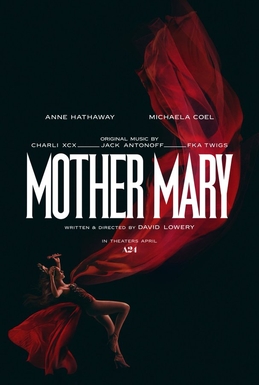
His early critical successes established a foundation of quiet, contemplative surrealism, most notably seen in the muted melancholy of A Ghost Story. Over time, however, Lowery has embraced an increasingly ambitious scale. This progression is evident in his handling of Arthurian legend in The Green Knight and his foray into established mythology with Peter Pan & Wendy, eventually culminating in the bold excess of his 2026 feature Mother Mary. This evolution showcases a director who refuses to remain static, preferring instead to reinvent his aesthetic with each new project.
Today, Lowery is regarded as a vital, if occasionally polarizing, voice in American cinema. He acts as a bridge between classical art house sensibilities and modern pop anxieties. By fusing gothic atmosphere with the frantic energy of contemporary celebrity culture, he secures his position as an auteur willing to risk alienation in pursuit of ecstatic expression.
Thematic Preoccupations
A central preoccupation of Lowery's filmography is the grueling, often destructive nature of creative collaboration. In Mother Mary, this theme reaches a fever pitch as the fraught reunion between a pop icon and her former costume designer serves as the primary engine for emotional tension. He explores how artistic partnerships frequently blur the line between inspiration and parasitic consumption, treating the creative process as a visceral, almost violent act of extraction.
Tied inextricably to his examination of art is his fascination with the supernatural, which he often employs as a metaphor for lingering trauma and memory. Lowery suggests that the wounds of the past possess a literal haunting power. In his narratives, a supernatural bond frequently ties characters not just to one another, but to the ghosts of their former selves. These phantasmagoric elements elevate domestic or interpersonal disputes into the realm of the mythic, framing existential debates as literal demonic possessions.
Furthermore, Lowery frequently investigates the intersection of fame and art. Through the lens of pop stardom, he interrogates how public adoration warps personal identity. The pressures of a comeback performance or the maintenance of a public persona become gateways to ecstatic new levels of self expression. He posits that the crucible of modern fame, with all its ludicrous elements and isolating pressures, forces artists to synthesize their deepest pain into resplendent, publicly consumed beauty.
Stylistic Signatures
Lowery's visual language is defined by a striking blend of dreamlike surrealism and boldly theatrical styles. He frequently employs a maximalist approach to mise en scene, filling the frame with dense, phantasmagoric imagery that commands the viewer's attention. Even when dealing with intimate character moments, his camera favors sweeping, grandiose movements, such as backstage tracking shots that deliberately evoke the formalist rigor of classic cinema like The Cook, the Thief, His Wife & Her Lover.
Despite his penchant for visual excess, Lowery often structures his narratives as claustrophobic chamber pieces. He excels at cultivating a gothic atmosphere, isolating his protagonists in imposing, secluded locations like English country manors or cavernous barns. This spatial confinement serves to heighten the emotional tension, creating a stark contrast between the global scale of his characters' public lives and the intense, wordy dialogue of their private existential debates.
In terms of movement and rhythm, Lowery approaches physical performance with an almost choreographic intensity. Standard dance numbers or musical performances frequently mutate into expressions of supernatural horror or ecstatic release, visually echoing demonic possession. Coupled with his tendency toward dense dialogue and deliberate pacing, this stylistic signature occasionally risks a thuddingly pretentious tone, yet it undeniably succeeds in translating internal psychological turmoil into arresting, visceral cinema.
Recurring Collaborators
While the available data highlights a lack of recurring onscreen figures across a wide volume of his filmography, the significance of the central performances in Lowery's individual works cannot be overstated. He demands immense vulnerability and physical commitment from his leading actors, who must anchor his flights of surrealism. In Mother Mary, Anne Hathaway serves as a pivotal collaborator, utilizing her own movie star persona to mirror the fictional pop icon she portrays, thereby enriching the film's commentary on fame.
The dynamic between the director and his core cast is one of rigorous psychological excavation. Characters like the pop star Mother Mary and the costume designer Sam Anselm rely on an intense, symbiotic chemistry that Lowery carefully orchestrates to ground his maximalist tendencies. He builds his films around these central pairings, treating the actors not merely as performers, but as essential partners in shaping the narrative's emotional truth.
Beyond the actors, Lowery's thematic obsession with creative collaboration spills over into his relationships behind the camera. His ability to conjure a dense, gothic atmosphere and stage complex homages to classical cinema relies heavily on his ongoing partnerships with cinematographers and production designers. These offscreen collaborations are vital to realizing his resplendent visuals, ensuring that every sweeping shot and meticulously designed set piece serves his overarching artistic vision.
Critical Standing
David Lowery's critical reception is characterized by intense fascination mixed with occasional frustration, marking him as one of the most hotly debated auteurs of his generation. Reviewers frequently laud his immense ambition and resplendent visual language, admiring his willingness to tackle massive thematic swings. Critics readily draw comparisons between his work and psychological thrillers like Black Swan or Persona, acknowledging his adeptness at merging disparate influences into a singularly phantasmagoric experience.
However, his maximalist approach and tendency toward wordy, existential dialogue often divide the critical establishment. While many praise the ecstatic expression of his surreal dramas, others find his metaphors exhausting and his tone occasionally thuddingly pretentious. Films like Mother Mary invite both awe for their boldly theatrical styles and skepticism for their ludicrous elements, demonstrating that Lowery is a filmmaker who routinely pushes the boundaries of audience patience in pursuit of his vision.
Ultimately, Lowery's standing within critical discourse is that of a fearless, uncompromising artist. Even when reviewers question the execution of his dense narratives, they respect his dedication to exploring the messy intersection of fame, trauma, and artistic expression. His continuous evolution from the quiet intimacy of A Ghost Story to the operatic excess of his later work cements his status as a provocative and essential voice in contemporary cinema.