Career Overview
David Yates occupies a unique position in contemporary cinema as a filmmaker who successfully bridged the gap between intimate television drama and the most colossal cinematic franchises of the twenty first century. His career arc demonstrates a remarkable trajectory from grounded British social realism to orchestrating some of the most logistically complex fantasy narratives in Hollywood history. Yates proved himself not merely as a studio journeyman, but as a director possessing the specific architectural vision required to shepherd massive serialized storytelling to a satisfying conclusion.
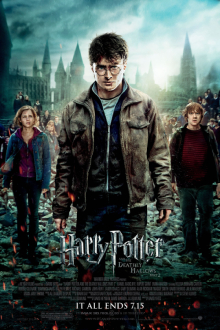
The turning point of his career arrived when he was tasked with completing the final chapters of the most widely consumed fantasy series of its era. With Harry Potter and the Deathly Hallows: Part 2, Yates solidified his historical standing as the definitive auteur of the blockbuster finale. His approach to these massive studio tentpoles was defined by a commitment to treating adolescent narratives with severe dramatic weight, elevating young adult source material into the realm of classical cinematic epics.
Within the broader context of cinema history, Yates represents a fascinating evolution of the franchise director. Rather than relying solely on kinetic spectacle, his developmental years in television allowed him to prioritize character maturation and narrative structure on a grand scale. He is historically recognized as the filmmaker who anchored a decade of pop culture fantasy into a solemn, emotionally resonant cinematic reality, proving that serialized storytelling could achieve genuine cinematic grandeur.
Thematic Preoccupations
Across his directorial efforts within the fantasy genre, Yates displays a consistent preoccupation with the intersection of catastrophic violence and intimate character growth. His thematic architecture relies on exploring how prolonged conflict forces the maturation of youth, a concept vividly realized in Harry Potter and the Deathly Hallows: Part 2. He continually returns to the philosophical question of how innocence is lost and subsequently replaced by a solemn acceptance of duty during times of existential crisis.
Another major thematic obsession is the concept of balance in storytelling, specifically the oscillation between monumental action and profound isolation. Yates finds limitless possibilities in exploring the calm before the storm moments of his narratives. He frequently halts the forward momentum of an epic adventure to observe his characters in quiet reflection, suggesting that the true weight of a finale is found not in its explosive battles, but in the haunting contemplation of impending doom.
Furthermore, Yates is deeply invested in the legacy of classic fantasy and literature, deliberately engaging with archetypal structures of myth. Critical comparisons of his work to J.R.R. Tolkien's The Return of the King and C.S. Lewis's The Last Battle underscore his commitment to exploring the ultimate sacrifices required to vanquish evil. Through these monumental narratives, Yates meditates on mortality, grief, and the enduring bonds of friendship that survive amidst a surreal and crumbling world.
Stylistic Signatures
The visual language of David Yates is defined by a striking contrast between epic scale and intimate framing. He possesses a distinctive ability to find smallness and stillness in chaos and hubbub, frequently utilizing tight closeups to capture the psychological toll of a sprawling magical war. His cinematographic approach often favors a desaturated, naturalistic color palette that grounds surreal atmospheres in a gritty, tactile reality, preventing his fantasy worlds from feeling overly artificial.
In terms of narrative rhythm, Yates employs an unhurried and supple pacing that defies the conventional expectations of the modern blockbuster. Instead of rushing from one visual effects set piece to the next, he relies heavily on prolonged, quiet sequences that build an agonizing sense of suspense. This deliberate pacing structure allows the haunting and impressive elements of his films to breathe, ensuring that when the eventual explosive violence erupts, it lands with devastating emotional impact.
The mise en scene in a Yates film is heavily reliant on brilliantly designed production elements that communicate exhaustion and decay. The environments his characters inhabit are rarely pristine, instead reflecting the psychological weariness of their journeys through crumbling architecture and desolate landscapes. Accompanied by soundscapes that emphasize silence as much as bombast, his directorial style transforms a potentially standard final adventure into a solemn, sensory experience that resonates with apocalyptic dread.
Recurring Collaborators
While Yates has worked with massive ensemble casts across his franchise entries, his most crucial creative partnership lies behind the camera with production designer Stuart Craig. The collaboration between Yates and Craig is foundational to the visual identity of the director's most celebrated work. Craig's brilliantly designed environments provide the essential tactile reality that allows Yates's grounded directorial approach to flourish within a high fantasy context.
The synergy between the director and his production designer is responsible for elevating Harry Potter and the Deathly Hallows: Part 2 into a colossal achievement of world building. Craig has done a consistently impressive job of constructing spaces that feel simultaneously magical and tragically ruined, perfectly complementing Yates's thematic focus on impending doom. Together, they create a visual vocabulary where the architecture itself tells the story of a world besieged by darkness.
This partnership demonstrates how Yates relies on seasoned artisans to realize his solemn cinematic vision. By anchoring his sprawling narratives in meticulously detailed sets, Yates is freed to focus on the intimate character maturation and nuanced performances that define his films. Their unified artistic vision proves that rigorous craftsmanship is essential to producing a genuinely satisfying conclusion to a monumental cinematic saga.
Critical Standing
The critical reputation of David Yates is largely defined by his unparalleled success in executing the epic finale. Reviewers have consistently praised his solid artistic vision, noting that he possesses the rare ability to bring a sprawling, decade long narrative to a genuinely satisfying conclusion. His work on Harry Potter and the Deathly Hallows: Part 2 is frequently cited as a sensational and impressive achievement, elevating the franchise to a level of cinematic prestige that demanded serious critical engagement.
Yates occupies a unique space within critical discourse, often drawing lofty comparisons to classical cinema and literature. The fact that critics align his narrative structure with Jacques Rivette's Out 1 and draw thematic parallels to The Wizard of Oz speaks to the sophisticated layer of artistry he brings to commercial filmmaking. He is respected as a stabilizing force who successfully merged the commercial demands of a studio blockbuster with the solemnity and awe expected of high art.
Over time, the director's standing has evolved from being viewed as a dependable studio craftsman to an acclaimed architect of modern myth. His insistence on an unhurried pacing and his focus on character psychology over empty spectacle have aged remarkably well in the era of frantic blockbuster cinema. Critics remain in awe of the colossal achievement of his franchise work, cementing his legacy as a filmmaker who put the magic back into the fantasy genre through rigorous discipline and immense emotional intelligence.