Career Overview
James Francis Cameron has established himself as a titan of commercial and genre filmmaking. His position in cinema history rests on his ability to merge meticulous craftsmanship with broad audience appeal. Starting in the realm of low budget cinema, he quickly ascended to the highest ranks of Hollywood by proving his capability to handle massive logistical challenges. His early foray into science fiction and horror laid the groundwork for a career defined by pushing the absolute limits of technological innovation.
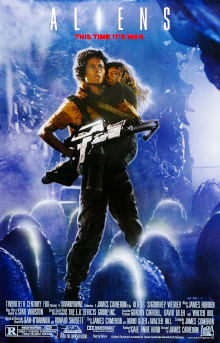
His breakthrough period in the 1980s solidified his trajectory as a premier architect of the blockbuster. Transitioning from independent roots to directing major studio continuations like Aliens, Cameron demonstrated an extraordinary capacity to manage high stakes productions. This era defined his reputation as a filmmaker with an unwavering vision and icy nerve, as noted by critics who recognized his rare ability to command enormous budgets while retaining strict authorial control.
Throughout his broader career arc, Cameron has become synonymous with the distinctly greedy mega production. He constructs sprawling, high concept narratives that challenge the boundaries of cinematic scale. His evolution is marked by a rigorous attention to technological advancement and world building, setting enduring benchmarks for action and science fiction blockbusters that prioritize both spectacle and deep seated audience appeal.
Thematic Preoccupations
Cameron consistently explores the intersection of human melodrama and relentless survival. In his cinematic universe, these themes frequently manifest through profound characterization development, particularly focusing on maternal instincts, trauma, and the primal drive for self preservation. His protagonists are often ordinary individuals forced to confront overwhelming odds, transforming their personal vulnerabilities into tools for survival in deeply hostile environments.
Another recurring preoccupation is the integration of traditional science fiction characteristics with intense horror genre elements. Cameron creates claustrophobic scenarios where humanity confronts lethal, often biomechanical or extraterrestrial threats. This narrative framework allows him to probe the limits of human physical and psychological endurance. Furthermore, he frequently uses these conflicts to critique the ethical failures, hubris, and profound greed of corporate or military institutions.
The concept of the sequel film itself serves as a unique thematic playground for Cameron. Rather than simply repeating a predecessor's formula, he fundamentally shifts the genre and escalates the stakes. He transitions atmospheric dread into militarized action, focusing on collective defense and heavy combat. This unwavering storytelling approach transforms isolated survival narratives into expansive examinations of human resilience under extreme duress.
Stylistic Signatures
Cameron's visual language is deeply defined by production design excellence and an emphasis on industrial, utilitarian aesthetics. His environments feel incredibly tactile and functional, grounding extraordinary science fiction elements in a gritty, recognizable reality. This meticulous craftsmanship extends to every aspect of the frame, ensuring that the visual space remains as authentically claustrophobic as it is technologically expansive.
The pacing of a Cameron film is famously relentless and punishing. Critics frequently highlight the action sequences intensity, describing his editing rhythms as a hair raising carnival ride that never stops. This unparalleled pitch of intensity is achieved through highly kinetic camera work, rapid yet geographically coherent cutting, and an oppressive, immersive sound design that deliberately amplifies the visceral impact of the on screen violence.
Tonally, his directorial style balances an intense atmosphere with canny, ironically funny moments of character interaction. Even as human melodramas play second fiddle to the ferocious action sequences, these brief interactions provide essential breathing room for the audience. The seamless stylistic integration of practical effects, miniatures, and groundbreaking cinematic techniques remains the defining cornerstone of his immersive directorial vision.
Recurring Collaborators
While the provided critical database does not identify a broad network of recurring cast members across multiple films for this specific cross section of his career, Cameron is historically dependent on singular, powerhouse performances to anchor his massive productions. The collaboration with fierce, committed lead actors is absolutely crucial to humanizing his sprawling, mechanics heavy science fiction narratives.
In the specific context of works like Aliens, his reliance on actors capable of intense physicality and complex characterization development becomes vividly clear. Sigourney Weaver's commanding performance demonstrates how a formidable lead is essential for a successful Cameron project. Critics specifically noted that the film is undeniably successful when Weaver is on screen, proving that his technological spectacles require a strong human anchor to achieve genuine emotional resonance.
Behind the camera, Cameron operates as a famously demanding singular force, yet his films necessitate vast teams of dedicated artisans. His production style demands top tier craftsmanship from production designers, special effects supervisors, and cinematographers. This massive collective effort is rigorously guided by the director's vision clarity, ensuring that every technical department is perfectly aligned to serve the overwhelming intensity of the final theatrical cut.
Critical Standing
The critical reception of James Francis Cameron is marked by profound awe at his technical prowess, often accompanied by debates over his narrative focus. Reviewers consistently praise his production quality craftsmanship and his unparalleled ability to generate suspense. Esteemed critics have frequently expressed feeling entirely wrung out and unhappy due to the sheer, punishing intensity of the cinematic experience, which they ultimately recognize as a supreme testament to Cameron's visceral effectiveness.
His standing within contemporary critical discourse often involves iconic film comparisons. His monumental achievements are frequently measured against cinematic landmarks like The Terminator, Alien, and The Empire Strikes Back. By successfully crafting what many contemporary critics lauded as the perfect sequel, Cameron proved that commercial blockbusters could possess an unwavering storytelling rigor and earn serious critical respect alongside healthy, runaway box office success.
Over time, his cinematic works have solidified their undeniable legacy of influential films. What early reviewers accurately described as a runaway hit of the summer has steadily evolved into a heavily studied foundational text in genre filmmaking. His unique ability to fuse groundbreaking cinematic techniques with lasting, nostalgic audience appeal ensures his permanent, highly respected place in the pantheon of action and science fiction cinema.