Career Overview
James Marsh occupies a distinctive position in contemporary British and American cinema, navigating the complex terrain between rigorous documentary practice and mainstream prestige drama. While his roots lie in non-fiction, his evolution into a director of sweeping biographical narratives marks a significant transition in his career. His work demonstrates a sustained interest in translating factual lives into accessible, emotionally resonant cinematic experiences.
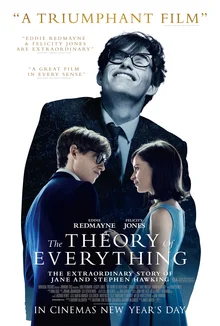
The pivot toward the conventional biographical format reached its commercial and cultural apex with The Theory of Everything. This film encapsulates Marshs transition from edge-oriented factual filmmaking into the center of the Hollywood awards machine. By tackling the life of theoretical physicist Stephen Hawking, Marsh firmly established himself as a craftsman capable of handling high-profile, historically significant subjects with a gentle, populist touch.
Within cinema history, Marsh can be categorized among the skilled pragmatists of the early twenty-first century. He prioritizes narrative legibility and emotional warmth over formal radicalism. This approach has secured his position as a reliable architect of the modern biopic, a filmmaker who understands how to package complex human struggles into widely digestible, inspiring frameworks that connect deeply with broad audiences.
Thematic Preoccupations
A dominant preoccupation across Marshs narrative work is the theme of overcoming adversity through deep human connection. He consistently examines figures facing insurmountable physical or circumstantial barriers, filtering their monumental struggles through the intimately scaled lens of love and support. Rather than isolating his protagonists in their suffering, he contextualizes their survival as a deeply collaborative effort, making the interpersonal dynamics the true subject of his films.
This focus on interpersonal reliance inevitably shapes his approach to the biographical drama. In examining the lives of brilliant figures, Marsh asks questions about the human cost of exceptionalism. He shifts the thematic focus away from abstract intellectual achievement and toward the domestic and romantic realities that sustain the individual. The resulting narratives prioritize emotional truth and shared resilience over clinical historical recreation, emphasizing the everyday mechanics of human devotion.
Consequently, an encouraging message often emerges from his films, rooted in the triumph of the human spirit. By emphasizing warmth and interpersonal devotion, Marsh crafts a resonant thematic through-line that champions human endurance. His films argue that intellectual or physical milestones are inextricably linked to, and perhaps completely dependent upon, the quiet fortitude of intimate partnerships.
Stylistic Signatures
Marsh employs a visual language defined by elegant execution and warmer tones, prioritizing a handsome, inviting aesthetic over gritty realism. His cinematography frequently features vivid imagery that serves to externalize the internal emotional states of his characters. This approach allows him to create an emotionally effective atmosphere that remains accessible and visually pleasing throughout the narrative arc, inviting the viewer into a comfortable aesthetic space even when dealing with tragedy.
Narratively, his stylistic signature is characterized by a reliance on the conventional format. Critics have noted a certain straightforward narrative approach in his work, where the complexities of a subjects life are distilled into chronological, easily digestible beats. While this clear, linear storytelling ensures clarity, it also generates an aesthetic that favors nuanced storytelling within established genre parameters rather than formal subversion or avant-garde experimentation.
To balance this structural conventionality, Marsh relies heavily on textured character development and visceral performances. He constructs beautifully compatible elements within his mise-en-scene, ensuring that production design, lighting, and performance all work in harmonious concert. This sensitive portrayal of character, driven by an acute attention to the subtle dynamics between actors, becomes the primary engine of his cinematic style.
Recurring Collaborators
Rather than maintaining a stable repertory company of recurring cast members, Marsh adopts a project-specific approach to collaboration. He builds bespoke ensembles tailored precisely to the demands of each historical or biographical subject. This flexibility allows him to adapt his directorial focus to the unique requirements of the narrative, drawing on fresh creative partnerships to invigorate each new production without relying on established acting troupes.
Despite the lack of an ongoing troupe, his method of working with actors yields extraordinary, often career-defining results. His partnership with performers like Eddie Redmayne and Felicity Jones in The Theory of Everything demonstrates his ability to foster intense, beautifully compatible chemistry. Marsh relies on his actors to shoulder the emotional weight of the film, trusting their formidable presence to elevate the material beyond standard biographical tropes.
The success of these isolated collaborations highlights Marshs skill as an actor-centric director. He provides a supportive, safe framework within which performers can deliver astonishing, genuinely visceral performances. By prioritizing character dynamics and interpersonal chemistry over flashy directorial intervention, he ensures that the collaborative energy of his cast remains the focal point of the audience experience.
Critical Standing
The critical reception of Marshs narrative features is marked by a sharp divide between mainstream adulation and formalist skepticism. He is widely praised for his sensitive portrayals and his ability to elicit universally resonant emotions, securing his place within the tradition of high-quality prestige cinema. Reviewers frequently commend the handsome photography and the elegant digestibility of his films, acknowledging his absolute mastery of craft and tone.
However, this same polish frequently subjects Marsh to accusations of risk aversion. Critics often point out that his films, while deeply moving, utilize the safest and most conventional methods imaginable to tell their stories. In the discourse surrounding modern biopics, his work is sometimes characterized as slightly bland or overly sanitized, prioritizing Oscar-friendly warmth over the messy, complex realities of his subjects achievements. Comparisons to conventional staples like A Beautiful Mind are common in critical circles when evaluating his structural choices.
Despite these structural critiques, his reputation is continually salvaged by the undeniable power of the performances he captures. Even when critics lament that viewers might not fully grasp the intellectual magnitude of his historical subjects, they simultaneously celebrate the towering, visceral achievements of the cast, often drawing comparisons to iconic cinematic turns like Daniel Day-Lewis in My Left Foot. Ultimately, Marshs standing remains that of a highly capable, emotionally intelligent filmmaker whose conventional frameworks house some of the most compelling acting of the modern era.